



Red wine is often associated with relaxation, celebrations, and even health benefits when consumed in moderation. But if you're watching your calorie intake, you may have wondered: how many calories are actually in a bottle of red wine? The answer depends on several factors such as the alcohol content, type of red wine, and bottle size.
In this article, we’ll break down the calorie count in red wine, explain why the numbers vary, and help you understand how it fits into your daily calorie intake.
Calories in a Standard Bottle of Red Wine
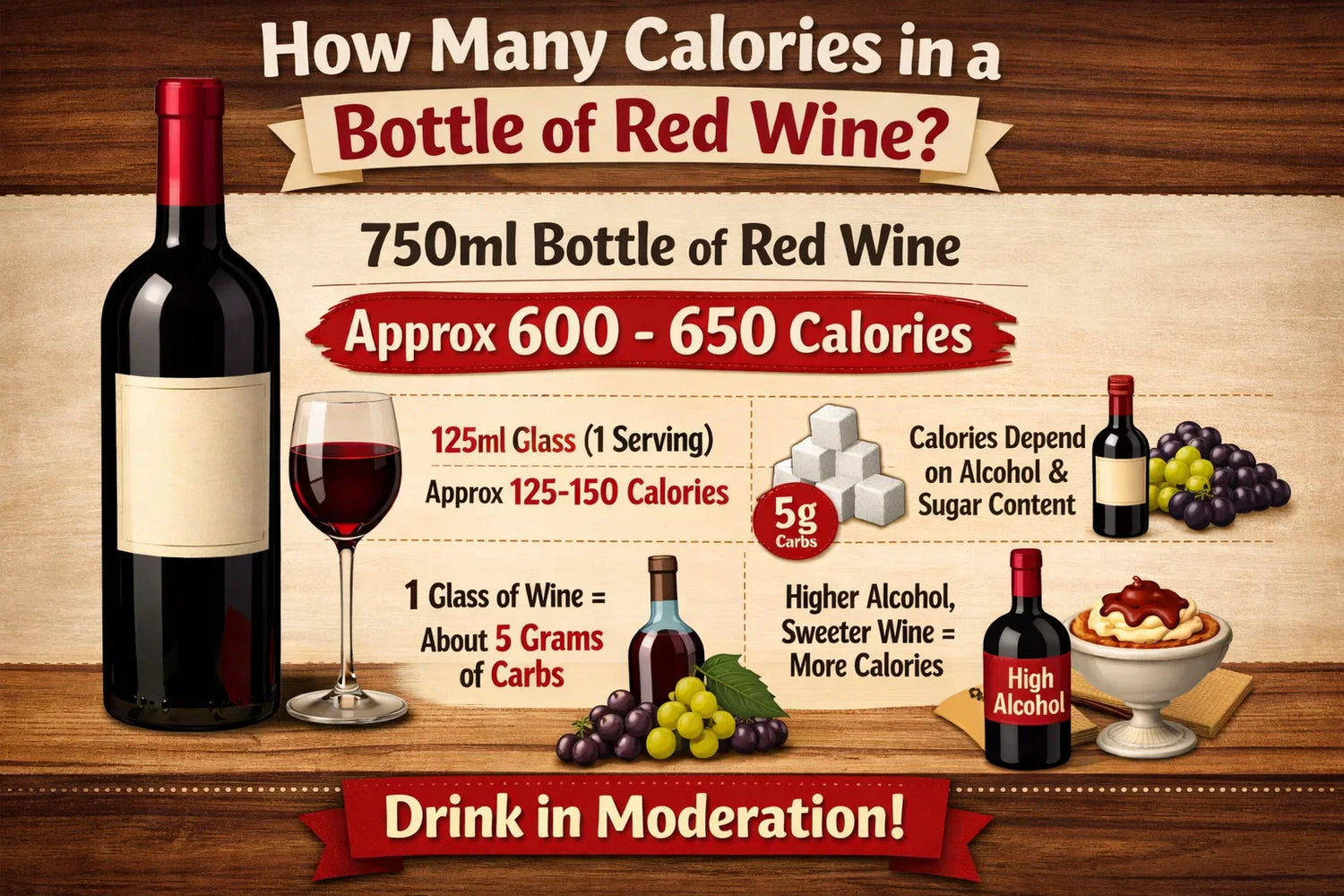
A standard wine bottle contains 750 ml, which typically equals about 5 glasses of wine (each glass around 150 ml).
On average:
- Calories per glass (150 ml): 120–130 calories
- Calories per bottle (750 ml): 600–650 calories
So, if you drink an entire bottle of red wine, you’re consuming roughly 600 to 650 calories.
To put this into perspective, that’s roughly equivalent to:
- A large slice of pizza
- A cheeseburger
- Two chocolate bars
Most people underestimate how quickly alcohol calories can add up.
Why Red Wine Contains Calories
The calories in wine mainly come from two sources:
1. Alcohol
Alcohol itself contains calories.
- 1 gram of alcohol = 7 calories
This is almost as calorie-dense as fat, which has 9 calories per gram.
Because red wine typically contains 12–15% alcohol, a large portion of its calories comes from the alcohol content.
2. Residual Sugar
The second source of calories is sugar left in the wine after fermentation.
Dry wines have very little sugar, while sweeter wines contain more. More sugar = more calories.
Calories in Different Types of Red Wine
Not all red wines have the same calorie count. The alcohol level and sweetness can slightly change the numbers.
Here’s a general comparison:
| Type of Red Wine | Calories per Glass (150 ml) | Calories per Bottle |
|---|---|---|
| Cabernet Sauvignon | 125 | 625 |
| Merlot | 122 | 610 |
| Pinot Noir | 121 | 605 |
| Shiraz / Syrah | 125 | 625 |
| Zinfandel | 129 | 645 |
As you can see, most red wines fall within a 600–650 calorie range per bottle.
Calories Based on Alcohol Percentage
Alcohol content plays a big role in determining the calorie count.
| Alcohol by Volume (ABV) | Calories per Glass |
|---|---|
| 11% ABV | 110 calories |
| 12% ABV | 115 calories |
| 13% ABV | 120 calories |
| 14% ABV | 125 calories |
| 15% ABV | 130+ calories |
Higher alcohol means more calories.
For example:
- A 15% ABV red wine bottle may contain 650–700 calories.
- A 12% ABV wine bottle might have closer to 580–600 calories.
Calories in Half a Bottle of Red Wine
Many people don’t drink a full bottle but rather half a bottle (375 ml).
Here’s what that looks like:
- Half bottle calories: about 300–325 calories
- Two glasses of wine: roughly 240–260 calories
This is roughly the same as:
- A bowl of pasta
- A medium sandwich
Calories in One Glass of Red Wine
Since most people drink wine by the glass, here is a quick breakdown.
| Serving Size | Calories |
|---|---|
| 100 ml | 80–85 calories |
| 125 ml | 100–105 calories |
| 150 ml (standard glass) | 120–130 calories |
| 250 ml (large glass) | 200+ calories |
Restaurants often serve larger glasses, which can double the calorie intake without you realizing it.
Red Wine vs Other Alcohol Calories
To understand where wine stands, here’s a quick comparison with other alcoholic drinks.
| Drink | Calories |
|---|---|
| Red wine (150 ml) | 120–130 |
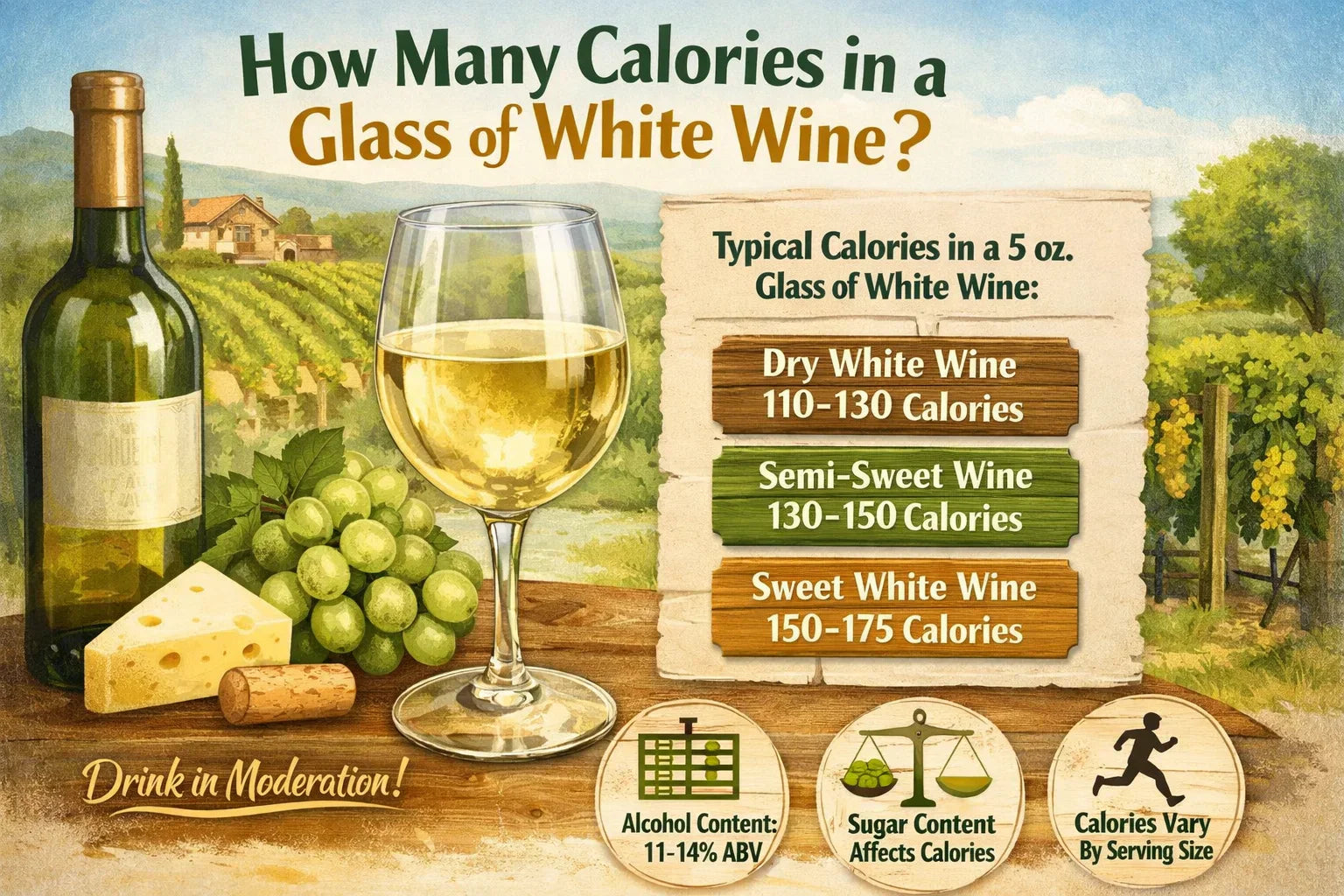
| White wine (150 ml) | 115–120 |
| Beer (330 ml) | 150–180 |
| Vodka shot | 95 |
| Cocktail | 200–300 |
Compared to cocktails and beer, red wine is relatively moderate in calories.
However, drinking multiple glasses can quickly increase the total.
Does Red Wine Cause Weight Gain?
Red wine itself doesn’t directly cause weight gain, but excess calories do.
Weight gain happens when:
Calories consumed > Calories burned
If you regularly drink wine without adjusting your diet or exercise, the extra calories can lead to gradual weight gain.
For example:
- Drinking one bottle of wine daily (650 calories)
- Over a week = 4,550 extra calories
Since 3,500 calories roughly equal 1 pound of body fat, this could lead to noticeable weight gain over time.
Tips to Reduce Calories When Drinking Wine
If you enjoy wine but want to control your calorie intake, here are some practical tips.
1. Choose Lower Alcohol Wines
Look for wines with 11–12% ABV instead of 14–15%.
Lower alcohol = fewer calories.
2. Stick to Standard Glass Sizes
Measure your wine pour.
A proper serving is 150 ml, but many people pour 250 ml or more.
3. Drink Slowly
Sipping slowly helps you enjoy the wine while drinking less overall.
4. Alternate with Water
Drinking water between glasses reduces total consumption.
5. Avoid Sugary Wine Varieties
Dessert wines and sweet wines contain more sugar and calories.
Are There Any Health Benefits to Red Wine?
Red wine is often associated with some potential health benefits when consumed in moderation.
It contains antioxidants called polyphenols, especially resveratrol, which may help support heart health.
Potential benefits include:
- Supporting heart health
- Reducing inflammation
- Providing antioxidants
However, moderation is key.
Health experts generally recommend:
- Women: Up to 1 glass per day
- Men: Up to 2 glasses per day
Drinking more than this can increase health risks and calorie intake.
Calories in Popular Red Wine Brands
The exact calorie count depends on the wine brand and alcohol percentage.
Here are approximate values:
| Wine Brand | Calories per Bottle |
|---|---|
| Barefoot Cabernet Sauvignon | 620 |
| Yellow Tail Shiraz | 630 |
| Apothic Red Blend | 640 |
| Josh Cellars Cabernet | 625 |
These numbers may vary slightly depending on the vintage and alcohol level.
How to Estimate Calories in Any Wine
If you want a rough estimate, here’s a quick rule:
Calories per glass ≈ Alcohol % × 10
For example:
- 12% wine ≈ 120 calories per glass
- 14% wine ≈ 140 calories per glass
Multiply by 5 glasses per bottle to estimate the bottle calories.
Final Thoughts
So, how many calories are in a bottle of red wine?
A typical 750 ml bottle of red wine contains around 600 to 650 calories, depending on the alcohol percentage and sweetness level.
While this isn’t extremely high compared to many foods, drinking a full bottle regularly can significantly increase your daily calorie intake.
The key is moderation. Enjoying one or two glasses occasionally allows you to savor the flavor of red wine without adding too many extra calories to your diet.
If you’re mindful of portion sizes and alcohol content, red wine can still be part of a balanced lifestyle.


Leave a comment
This site is protected by hCaptcha and the hCaptcha Privacy Policy and Terms of Service apply.