



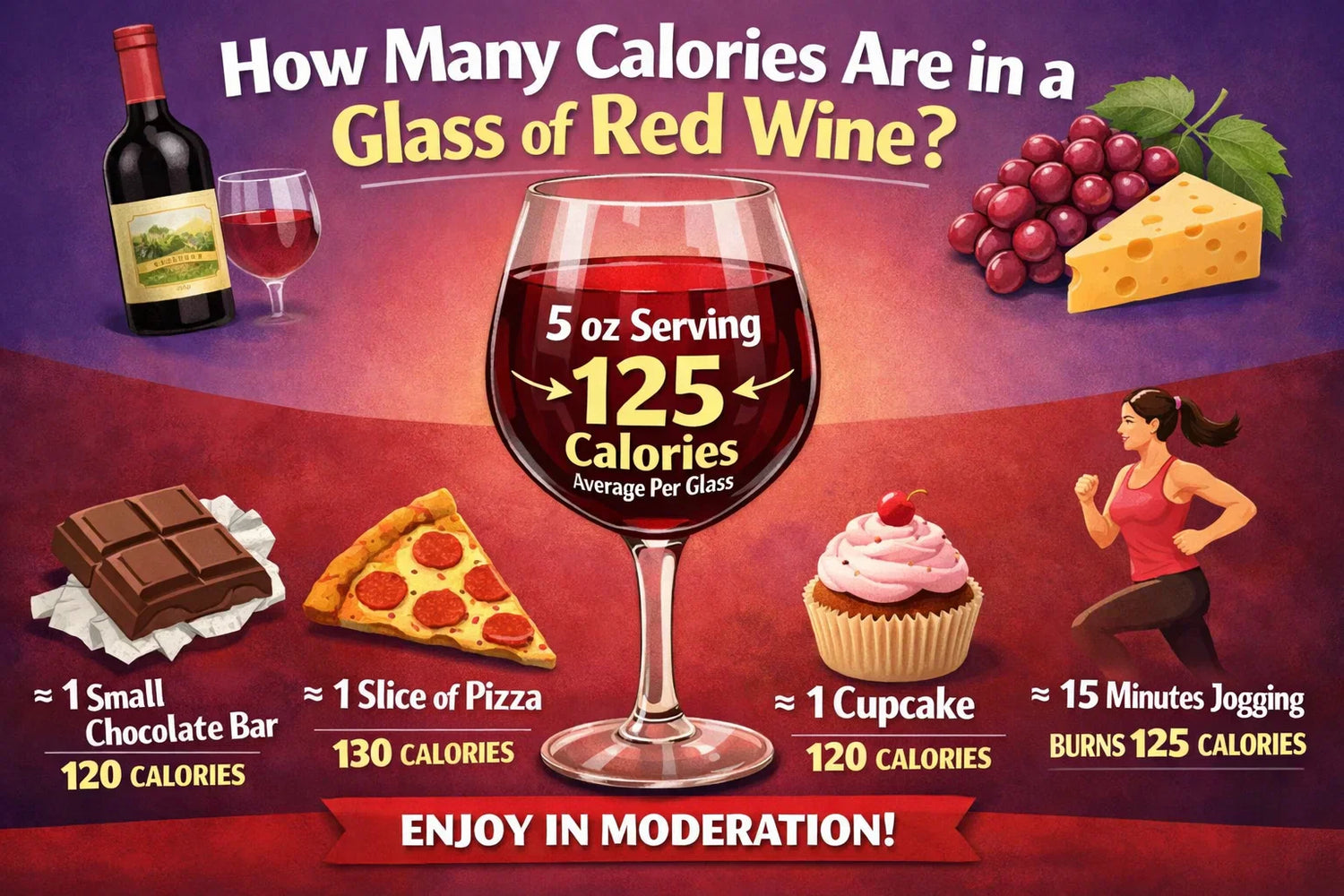
Red wine is one of the most popular alcoholic beverages in the world. Many people enjoy a glass of red wine with dinner, during celebrations, or simply to unwind after a long day. But as health awareness grows, a common question people ask is: how many calories are in a glass of red wine?
Whether you’re tracking your calorie intake, trying to maintain a healthy weight, or simply curious about what’s in your drink, understanding the calorie content of wine can help you make better choices.
Wine is often seen as a lighter alternative to cocktails or sugary drinks. However, it still contains calories, mainly from alcohol and natural sugars left after fermentation. The exact number of calories can vary depending on factors like the wine’s alcohol content, sweetness level, and serving size.
For Australians who enjoy wine regularly, knowing how wine calories add up can help support a balanced lifestyle. In this guide, we’ll break down everything you need to know about red wine calories, how they vary by type, and how to enjoy wine while keeping your calorie intake in check.
How Many Calories Are in a Glass of Red Wine?
A standard glass of red wine (150 ml) typically contains around 120 to 130 calories. This number can vary slightly depending on the wine’s alcohol percentage and sugar content.
Most dry red wines fall within this range because they contain very little residual sugar. However, sweeter wines or wines with higher alcohol content may contain slightly more calories.
Below is a simple overview of typical calorie values:
| Wine Type | Serving Size | Approx Calories |
|---|---|---|
| Dry Red Wine | 150 ml | 120–125 |
| Medium-bodied Red | 150 ml | 125–130 |
| Sweet Red Wine | 150 ml | 130–165 |
It’s also important to understand the concept of a standard drink. In Australia, one standard drink contains about 10 grams of alcohol, which helps people monitor their alcohol intake. A typical glass of wine usually equals around 1.4 standard drinks, depending on the alcohol percentage.
While one glass of red wine may not significantly impact your daily calorie intake, drinking several glasses in one sitting can quickly increase your calorie consumption.
Why Does Red Wine Contain Calories?
Wine calories mainly come from two components: alcohol and residual sugar.
Alcohol
Alcohol is the primary contributor to calories in wine. Each gram of alcohol contains around 7 calories, making it more energy-dense than carbohydrates or protein.
Since wine contains a moderate amount of alcohol, this is the biggest source of its calorie content.
Residual Sugar
Residual sugar refers to the natural grape sugars that remain in wine after fermentation. During fermentation, yeast converts sugar into alcohol. However, not all sugar is always converted.
- Dry wines have very little leftover sugar
- Sweet wines retain more sugar and therefore more calories
Other Minor Compounds
Wine also contains small amounts of other substances such as:
- Glycerol
- Organic acids
- Natural grape compounds
These contribute only a minimal number of calories compared to alcohol and sugar.
Calories in Different Types of Red Wine
Not all red wines contain the same number of calories. The calorie content can vary depending on the grape variety, fermentation process, and alcohol level.
Here is an approximate comparison of common red wines:
| Red Wine Type | Calories (150 ml) |
|---|---|
| Pinot Noir | 120 |
| Merlot | 122 |
| Cabernet Sauvignon | 125 |
| Shiraz / Syrah | 125–130 |
| Sweet Red Wine | 130–165 |
Light-bodied wines such as Pinot Noir tend to have slightly fewer calories because they usually contain lower alcohol levels.
Full-bodied wines such as Shiraz or Cabernet Sauvignon often contain slightly more alcohol, which increases calorie content.
Australia is well known for producing bold wines such as Shiraz, which often have alcohol levels between 13.5% and 15% ABV, contributing to slightly higher calorie counts.
How Alcohol Percentage (ABV) Affects Calories
Alcohol percentage, also called ABV (Alcohol by Volume), plays a major role in determining the number of calories in wine.
The higher the alcohol percentage, the more calories the wine contains.
Here is a simple comparison:
| ABV | Approx Calories (150 ml) |
|---|---|
| 11% | 110–115 |
| 12.5% | 120 |
| 14% | 125–130 |
| 15% | 135+ |
Many wines available in Australia fall within the 13–15% ABV range, meaning most glasses contain roughly 120 to 135 calories.
If you’re looking to reduce calorie intake, choosing wines with slightly lower alcohol percentages can help.
Calories in Red Wine vs Other Alcoholic Drinks
Compared with many other alcoholic beverages, wine often sits somewhere in the middle when it comes to calories.
Here’s a comparison with common drinks:
| Drink | Serving Size | Calories |
|---|---|---|
| Red Wine | 150 ml | 120–130 |
| White Wine | 150 ml | 115–125 |
| Beer | 375 ml | 150–180 |
| Champagne | 150 ml | 90–110 |
| Cocktails | 150–250 ml | 200–300+ |
Cocktails tend to have significantly more calories because they often contain added sugars, syrups, or soft drinks.
Beer can also contain more calories per serving because it is typically consumed in larger volumes.
Wine, especially dry wine, can therefore be a relatively moderate option if consumed responsibly.
How Serving Size Changes Wine Calories
Serving size plays a big role in the total calories you consume.
Although 150 ml is considered a standard serving, many restaurants and bars pour larger glasses.
Here is how serving size affects calorie intake:
| Serving Size | Calories |
|---|---|
| 100 ml | 80–85 |
| 150 ml | 120–125 |
| 200 ml | 160–170 |
If a glass is filled closer to 200 ml, the calorie content can increase significantly.
Many people also drink two or three glasses during a meal, which can easily add 250–400 calories to a single evening.
Being mindful of portion size is one of the simplest ways to manage wine calories.
Is Red Wine Fattening?
Red wine itself does not automatically cause weight gain. Weight gain occurs when total calorie intake exceeds the number of calories your body burns.
However, alcohol can influence weight in several ways:
-
It adds extra calories to your daily intake
-
It may increase appetite
-
It can slow fat metabolism temporarily
Additionally, wine is often consumed with snacks such as cheese, desserts, or late-night meals, which can increase total calorie intake.
If consumed in moderation, red wine can still fit into a balanced diet without necessarily leading to weight gain.
Can Red Wine Fit into a Healthy Lifestyle?
Moderate wine consumption can be part of a balanced lifestyle when enjoyed responsibly.
Red wine contains compounds such as polyphenols and resveratrol, which are antioxidants found in grape skins. Some research has linked these compounds with potential heart health benefits when consumed in moderation.
However, alcohol should always be consumed responsibly.
Australian health guidelines recommend:
- No more than 10 standard drinks per week
- No more than 4 standard drinks on any single day
These guidelines are designed to reduce the risk of alcohol-related harm.
Choosing quality wine and drinking slowly can help people enjoy wine while maintaining a healthy lifestyle.
Tips to Reduce Calories When Drinking Wine
If you enjoy wine but want to manage your calorie intake, a few simple habits can make a big difference.
Consider the following tips:
- Choose dry wines instead of sweet wines
- Look for lower alcohol wines
- Stick to standard 150 ml servings
- Drink water between glasses
- Avoid sugary wine-based cocktails
- Limit drinking to one or two glasses
You can also check the alcohol percentage before buying wine. Wines with slightly lower ABV often contain fewer calories.
Small adjustments like these allow you to enjoy wine while keeping calorie intake under control.
Calories in a Bottle of Red Wine
A standard wine bottle contains 750 ml, which equals about five glasses of wine.
Here is an approximate breakdown:
| Bottle Size | Approx Calories |
|---|---|
| 750 ml Bottle | 600–650 |
| Half Bottle (375 ml) | 300–325 |
This means drinking an entire bottle alone can add over 600 calories to your daily intake.
Sharing a bottle with friends or family can help spread out those calories and make wine consumption more moderate.
How to Estimate Calories in Any Wine
Since most wine labels do not list calories, estimating calorie content can be helpful.
Here are a few simple tips:
- Check the alcohol percentage (ABV) on the label
- Assume around 120 calories per 150 ml glass for most dry wines
- Add extra calories if the wine is sweet
For example:
- A dry red wine with 13% ABV will usually contain about 120–125 calories
- A sweet wine with higher sugar content may contain 150 calories or more
Using these estimates can help you make informed decisions when choosing wine.
Common Myths About Wine and Calories
There are several misconceptions about wine calories. Let’s clear up a few of them.
Myth: Red wine has far fewer calories than white wine
In reality, the difference is very small. Both red and white wines usually contain similar calorie levels.
Myth: Wine calories don’t count because they are natural
Even though wine is made from grapes, alcohol still contains calories that contribute to your daily intake.
Myth: Organic wine contains fewer calories
Organic wine is made from organically grown grapes, but the calorie content depends mainly on alcohol and sugar levels, not farming methods.
Understanding these myths helps people make better decisions about alcohol consumption.
Conclusion
A standard 150 ml glass of red wine typically contains around 120 to 130 calories, though the exact number depends on factors like alcohol content, sweetness, and serving size.
Most of the calories in wine come from alcohol, while a smaller portion comes from residual sugar left after fermentation. Wines with higher alcohol levels or sweeter styles generally contain slightly more calories.
Portion size also plays a major role. While a single glass may fit comfortably within a balanced diet, multiple glasses can quickly increase calorie intake.
The good news is that wine can still be enjoyed responsibly as part of a healthy lifestyle. By choosing dry wines, keeping servings moderate, and paying attention to alcohol percentage, it’s possible to enjoy wine without consuming excessive calories.
Understanding how many calories are in red wine allows you to make more informed choices and enjoy your favourite drink with confidence and balance.
Frequently Asked Questions
- How many calories are in a standard glass of red wine?
A standard 150 ml glass of red wine typically contains around 120 to 130 calories. The exact number depends on the alcohol percentage and sweetness level. Wines with higher alcohol content may contain slightly more calories.
- Does red wine have more calories than white wine?
Red wine and white wine have very similar calorie levels. Most glasses contain between 115 and 130 calories. The difference mainly depends on alcohol content rather than wine colour.
- Why does wine contain calories even if it isn’t sweet?
Wine contains calories primarily from alcohol, which provides about 7 calories per gram. Even dry wines that contain little sugar still have calories because of their alcohol content.
- How many calories are in a bottle of red wine?
A standard 750 ml bottle of red wine contains approximately 600 to 650 calories. This equals about five standard glasses of wine.
- Does alcohol percentage affect wine calories?
Yes. Wines with higher alcohol percentages usually contain more calories because alcohol itself is energy-dense. For example, a wine with 15% ABV will generally contain more calories than a wine with 12% ABV.
- Is red wine healthier than beer in terms of calories?
Red wine can contain fewer calories per serving than beer, but this depends on portion size. Beer is usually consumed in larger volumes, which can increase total calorie intake.
- Can drinking red wine cause weight gain?
Red wine alone does not cause weight gain. However, drinking multiple glasses regularly can add extra calories, which may contribute to weight gain over time.
- What type of red wine has the lowest calories?
Light-bodied red wines such as Pinot Noir typically contain slightly fewer calories because they usually have lower alcohol content.
- Are low-alcohol wines lower in calories?
Yes. Wines with lower alcohol percentages generally contain fewer calories because alcohol is the main source of calories in wine.
- How can I enjoy wine without consuming too many calories?
You can manage wine calories by choosing dry wines, sticking to standard serving sizes, drinking water between glasses, and limiting the number of drinks you consume in one sitting.


Leave a comment
This site is protected by hCaptcha and the hCaptcha Privacy Policy and Terms of Service apply.