


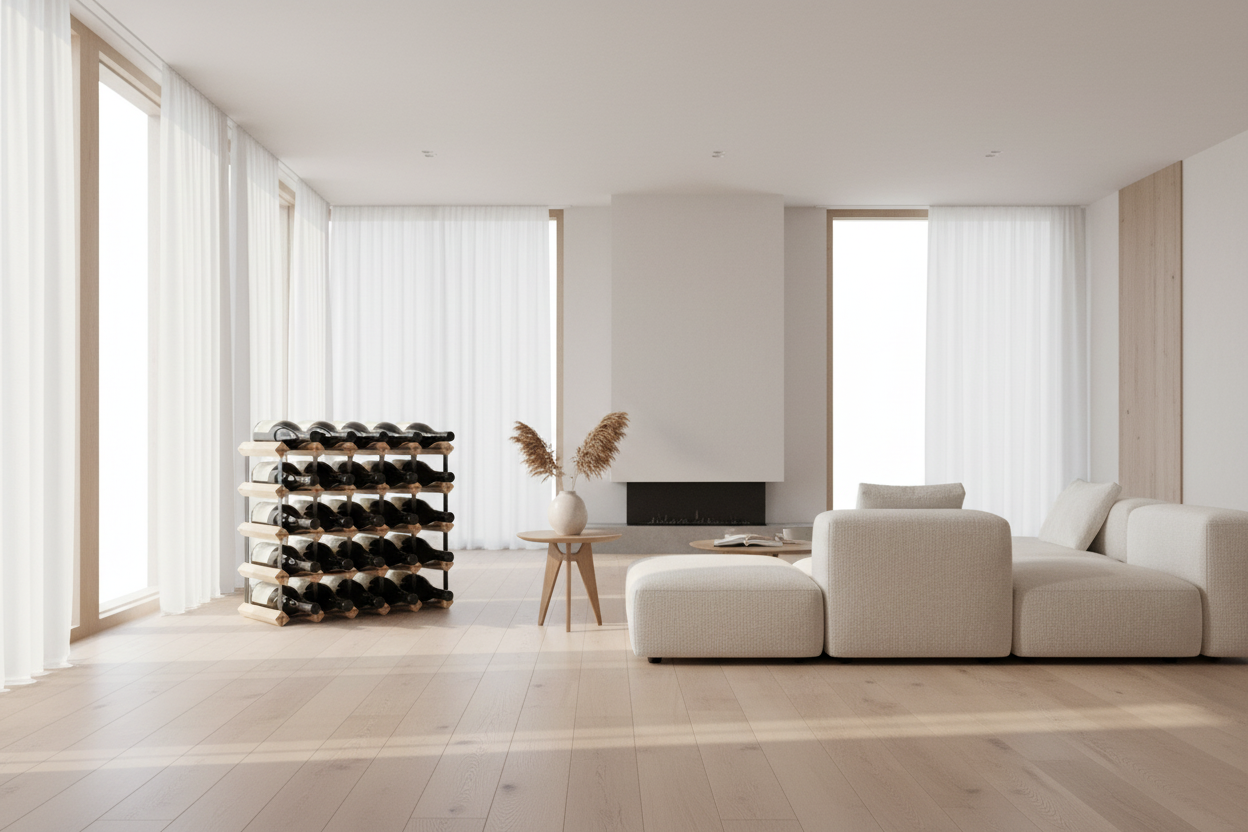
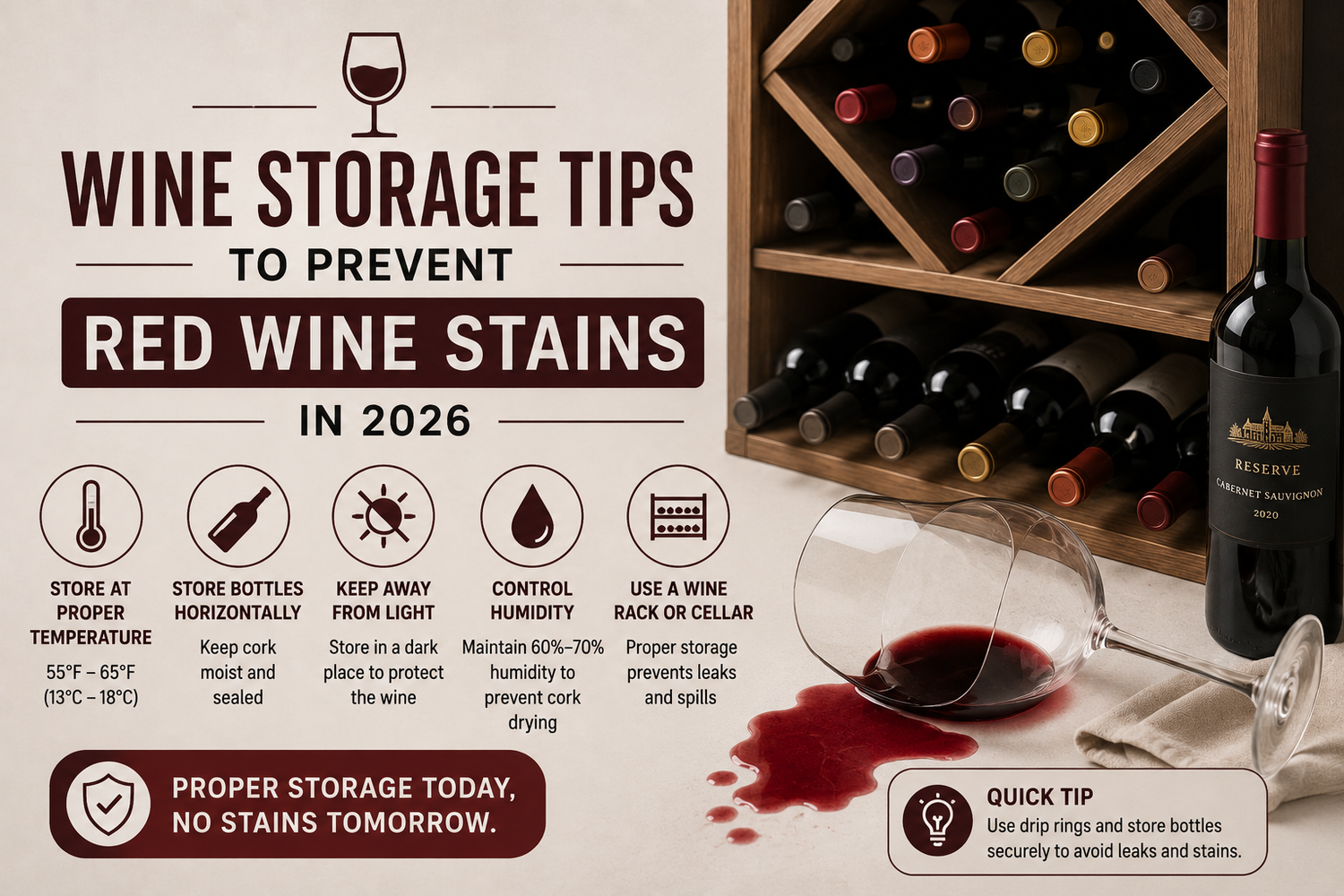
Red wine is elegant, flavorful, and perfect for celebrations, dinner parties, and relaxing evenings. But anyone who enjoys red wine knows one frustrating reality red wine stains can happen instantly and become extremely difficult to remove. From carpets and countertops to furniture, clothing, and wine racks, a single spill can leave long-lasting marks if storage and handling are not managed properly.
Many wine stains are caused not during drinking, but while storing, moving, organizing, or opening wine bottles. Poor storage positioning, unstable racks, leaking corks, and improper handling are common reasons behind accidental spills and stains. The good news is that with the right wine storage habits, you can significantly reduce the risk of red wine stains in your home.
In 2026, modern wine storage solutions are smarter, safer, and more practical than ever. Whether you keep a few bottles in your kitchen or maintain a large wine collection, this guide covers the best wine storage tips to prevent red wine stains while protecting your bottles and your living space.
Why Red Wine Stains So Easily
Red wine contains natural pigments called anthocyanins along with tannins, acids, and sugars. These compounds absorb quickly into fabrics, wood, grout, carpets, and porous surfaces.
The darker and richer the wine, the more difficult the stain may become.
Common stain-prone wines include:
- Cabernet Sauvignon
- Merlot
- Shiraz
- Malbec
- Pinot Noir
When spills happen and are not cleaned immediately, pigments bond with surfaces and become harder to remove over time.
How Wine Storage Affects Staining Risks
Many people think wine stains only happen during serving, but improper storage plays a major role too.
Poor storage conditions can cause:
- Leaking corks
- Bottle cracks
- Unstable stacking
- Dripping after pouring
- Condensation damage
- Accidental tipping
A properly organized wine storage setup minimizes these risks.
Store Wine Bottles Horizontally
Horizontal bottle storage is considered the standard for cork-sealed wines.
Why Horizontal Storage Helps
Storing bottles horizontally:
- Keeps corks moist
- Prevents cork shrinkage
- Reduces leakage risk
- Maintains wine quality
Dry corks can crack or loosen, leading to slow wine seepage that may stain shelves, racks, bar cabinets, and labels.
Use Stable and Durable Wine Racks
One of the biggest causes of wine spills is unstable storage furniture.
Choose High-Quality Wine Racks
Look for racks that are:
- Strong and balanced
- Properly mounted
- Non-slip
- Designed for bottle weight
Avoid overcrowded or loosely stacked bottles.
Best Materials for Wine Racks
Wooden Wine Racks
Wood absorbs small vibrations and provides stable support.
Benefits
- Traditional appearance
- Less slipping
- Durable structure
Metal Wine Racks
Modern and compact but should include secure bottle supports.
Ideal Features
- Anti-roll bars
- Tight bottle spacing
- Wall anchoring
Avoid Storing Wine in High-Traffic Areas
Busy household areas increase accident risks.
Unsafe Storage Locations
Avoid placing wine:
- Near doorways
- Beside dining chairs
- In narrow hallways
- On unstable kitchen counters
- Near children’s play areas
Bumping into wine bottles can easily lead to spills and staining.
Keep Wine Away from Direct Sunlight
Sunlight affects more than wine quality.
Heat exposure may:
- Increase pressure inside bottles
- Cause cork leakage
- Lead to dripping or seepage
Wine stains from slow leaks often go unnoticed until shelves or furniture are damaged.
Use:
- Dark storage cabinets
- UV-protected wine fridges
- Basement storage
- Tinted glass cellar doors
Use Wine Refrigerators Properly
Wine fridges are one of the safest storage solutions in 2026.
Benefits of Wine Refrigerators
- Stable temperatures
- Organized shelving
- Reduced tipping risk
- Controlled humidity
- Better bottle visibility
Dual-zone wine coolers also help separate red and white wines efficiently.
Prevent Condensation Damage
Cold wine bottles often create moisture on surfaces.
Condensation can:
- Damage wooden furniture
- Create sticky wine rings
- Cause label peeling
- Mix with wine drips
Prevention Tips
- Use absorbent mats
- Place bottles on trays
- Wipe bottles before serving
- Use coasters and drip guards
Label Bottles Clearly
Searching through cluttered wine collections increases handling and spill risks.
Organize Labels for Easy Access
Arrange wines by:
- Type
- Region
- Vintage
- Occasion
The faster you find bottles, the less unnecessary movement occurs.
Don’t Overstack Wine Bottles
Overcrowding creates instability.
Risks of Overstacking
- Bottles slipping
- Rack imbalance
- Broken glass
- Difficult bottle removal
Leave enough space to remove bottles comfortably without disturbing others.
Use Protective Wine Accessories
Modern wine accessories help prevent accidental staining.
Helpful Accessories Include
Wine Bottle Sleeves
Provide grip and protect bottles during transport.
Drip Rings
Prevent wine from running down bottle necks after pouring.
Pour Spouts
Improve pouring accuracy.
Wine Trays
Catch small leaks or drips in storage areas.
Silicone Mats
Protect shelves from stains and moisture.
Store Open Bottles Carefully
Partially consumed wine bottles are more likely to leak.
Best Practices for Open Bottles
- Re-cork tightly
- Store upright short term
- Use vacuum wine sealers
- Keep open bottles in wine fridges
Improperly sealed bottles may drip inside refrigerators or cabinets.
Clean Minor Drips Immediately
Tiny wine drips become permanent stains surprisingly fast.
Quick Cleaning Tips
Blot immediately using:
- Paper towels
- Microfiber cloths
- Baking soda paste
- Mild soap solution
Avoid rubbing aggressively because it spreads pigment deeper.
Use Washable Storage Surfaces
Some materials stain more easily than others.
Best Surface Materials
Choose:
- Sealed wood
- Metal shelving
- Stone countertops
- Waterproof liners
Avoid untreated porous surfaces around wine storage areas.
Protect Flooring Near Wine Storage Areas
Wine cellars and wine corners should include floor protection.
Smart Flooring Options
Tile Flooring
Easy to clean and stain resistant.
Vinyl Flooring
Durable and moisture resistant.
Sealed Concrete
Modern and practical for wine rooms.
Avoid light carpets near wine racks whenever possible.
Create a Safe Wine Serving Area
Most red wine stains occur during pouring rather than storage itself.
Set Up a Wine-Friendly Serving Space
Include:
- Stable serving tray
- Cork holder
- Napkins nearby
- Easy-to-clean surfaces
- Good lighting
This reduces accidental overpouring or bottle tipping.
Store Expensive Wines Separately
Rare wines deserve extra care.
Why Separate Premium Bottles
High-value wines often:
- Age longer
- Require less movement
- Need controlled environments
Keeping them in dedicated storage minimizes accidental handling.
Rotate Bottles Carefully
Frequent rearranging increases spill risks.
Better Organization Strategy
Instead of constantly moving bottles:
- Create fixed categories
- Label sections
- Track inventory digitally
Less handling means fewer accidents.
Wine Cellar Safety Tips
Home wine cellars look luxurious, but safety matters.
Important Cellar Precautions
- Install secure shelving
- Maintain proper lighting
- Avoid slippery floors
- Use temperature monitoring
- Keep pathways clear
A crowded cellar increases bottle breakage risks.
Keep Cleaning Supplies Nearby
Preparedness helps minimize stain damage.
Wine Emergency Kit Essentials
Store nearby:
- White cloth towels
- Baking soda
- White vinegar
- Club soda
- Mild stain remover
- Gloves
Immediate action prevents deep stains.
Use Smart Wine Storage Technology
Technology in 2026 helps reduce spills and wine damage.
Modern Smart Features
Motion-Stable Shelving
Reduces bottle vibration and slipping.
Temperature Alerts
Warns about heat fluctuations that may cause leaks.
Inventory Apps
Help locate bottles quickly.
Automated Lighting
Improves visibility without overheating storage spaces.
Wine Storage Tips for Small Apartments
Limited space requires smarter organization.
Apartment-Friendly Solutions
- Wall-mounted racks
- Compact wine coolers
- Under-cabinet storage
- Stackable modular systems
Avoid balancing bottles loosely on kitchen shelves.
Safe Wine Storage for Families with Kids or Pets
Children and pets can accidentally knock over bottles.
Family Safety Tips
- Use lockable cabinets
- Store wine higher up
- Anchor racks securely
- Avoid floor-level bottle displays
Safety-focused organization reduces both injury and staining risks.
Transport Wine Carefully
Wine stains often happen while moving bottles.
Transportation Tips
- Use padded carriers
- Avoid loose bags
- Keep bottles upright in vehicles
- Use insulated wine totes
Never carry multiple loose bottles at once.
Common Wine Storage Mistakes That Cause Stains
1. Using Cheap Plastic Racks
Weak racks may collapse under weight.
2. Storing Bottles Near Heat Sources
Heat expands wine and increases leakage risk.
3. Leaving Open Bottles Unsealed
This causes dripping and oxidation.
4. Ignoring Small Leaks
Tiny cork leaks eventually stain large areas.
5. Overhandling Bottles
Constant movement increases spill chances.
How to Handle Red Wine Spills Quickly
Even with proper storage, accidents can happen.
Immediate Spill Response
Step 1: Blot Immediately
Never rub the stain.
Step 2: Use Cold Water
Dilute pigments carefully.
Step 3: Apply Baking Soda or Salt
These absorb moisture and color.
Step 4: Clean Gently
Use mild detergent if needed.
Fast action dramatically improves stain removal success.
Organizing Wine Accessories Properly
Disorganized accessories also contribute to spills.
Keep These Items Accessible
- Corkscrews
- Wine stoppers
- Glass markers
- Pour spouts
- Napkins
- Coasters
Efficient serving reduces messy handling.
Long-Term Benefits of Proper Wine Storage
Preventing red wine stains is only one advantage.
Good storage also:
- Preserves wine flavor
- Protects furniture
- Extends bottle lifespan
- Improves organization
- Enhances home appearance
- Saves money on cleaning and repairs
Final Thoughts
Red wine adds sophistication and enjoyment to any occasion, but spills and stains can quickly become frustrating if bottles are stored carelessly. Fortunately, most wine stains are preventable with smart storage habits, proper organization, and careful handling.
From choosing stable wine racks and maintaining ideal temperatures to using drip guards and organizing inventory efficiently, every small improvement reduces the risk of accidental staining. Whether you store wine in a compact apartment, a kitchen wine fridge, or a dedicated wine cellar, creating a safe and organized environment protects both your wine collection and your home.
In 2026, modern wine storage solutions make it easier than ever to enjoy wine without worrying about permanent red stains on carpets, furniture, or flooring. A thoughtful wine storage system keeps bottles secure, accessible, and ready for every occasion while helping you avoid messy accidents.


Leave a comment
This site is protected by hCaptcha and the hCaptcha Privacy Policy and Terms of Service apply.