


Whether you own five bottles or five hundred, organizing your wine collection properly can completely change the way you enjoy wine. A well-arranged collection not only looks impressive but also helps preserve flavor, track aging, and make bottle selection easier during dinners, celebrations, or quiet evenings at home.
Many wine lovers begin collecting casually. A few bottles from vacations, gifts from friends, and purchases from wine stores slowly turn into an overflowing shelf or crowded kitchen cabinet. Without proper organization, bottles may spoil, labels become unreadable, and valuable wines may be forgotten entirely.
In 2026, wine collecting is no longer limited to luxury wine cellars or professional sommeliers. Modern wine racks, storage apps, climate-controlled bar cabinets, and smart inventory systems have made wine organization accessible for everyone. Whether you are a beginner collector or a serious enthusiast, this guide will help you organize your wine collection like a pro.
Why Wine Organization Matters
Organizing wine is not just about appearance. Proper management protects the quality and value of your bottles.
Here are some key reasons why organization matters:
1. Prevents Wine Spoilage
Wine is sensitive to temperature, humidity, light, and movement. Improper storage can ruin flavor and aroma.
2. Makes Bottle Selection Easy
An organized collection helps you quickly find the perfect wine for dinner, celebrations, or gifting.
3. Tracks Aging Potential
Some wines improve with age while others should be consumed early. Organization helps monitor drink windows.
4. Saves Money
You avoid buying duplicate bottles or forgetting expensive wines hidden in the back of shelves.
5. Improves Collection Value
Collectors who maintain inventory records and proper storage often preserve resale or investment value.
Start by Assessing Your Collection
Before organizing, evaluate what you already own.
Separate bottles into categories such as:
- Red wines
- White wines
- Rosé wines
- Sparkling wines
- Dessert wines
- Fortified wines
Then review:
- Vintage year
- Region
- Winery
- Grape variety
- Drinking timeline
- Bottle quantity
This first step helps you understand how much storage space and structure you need.
Choose the Right Wine Storage Area
The location of your wine collection affects quality more than most people realize.
Ideal Wine Storage Conditions
Temperature
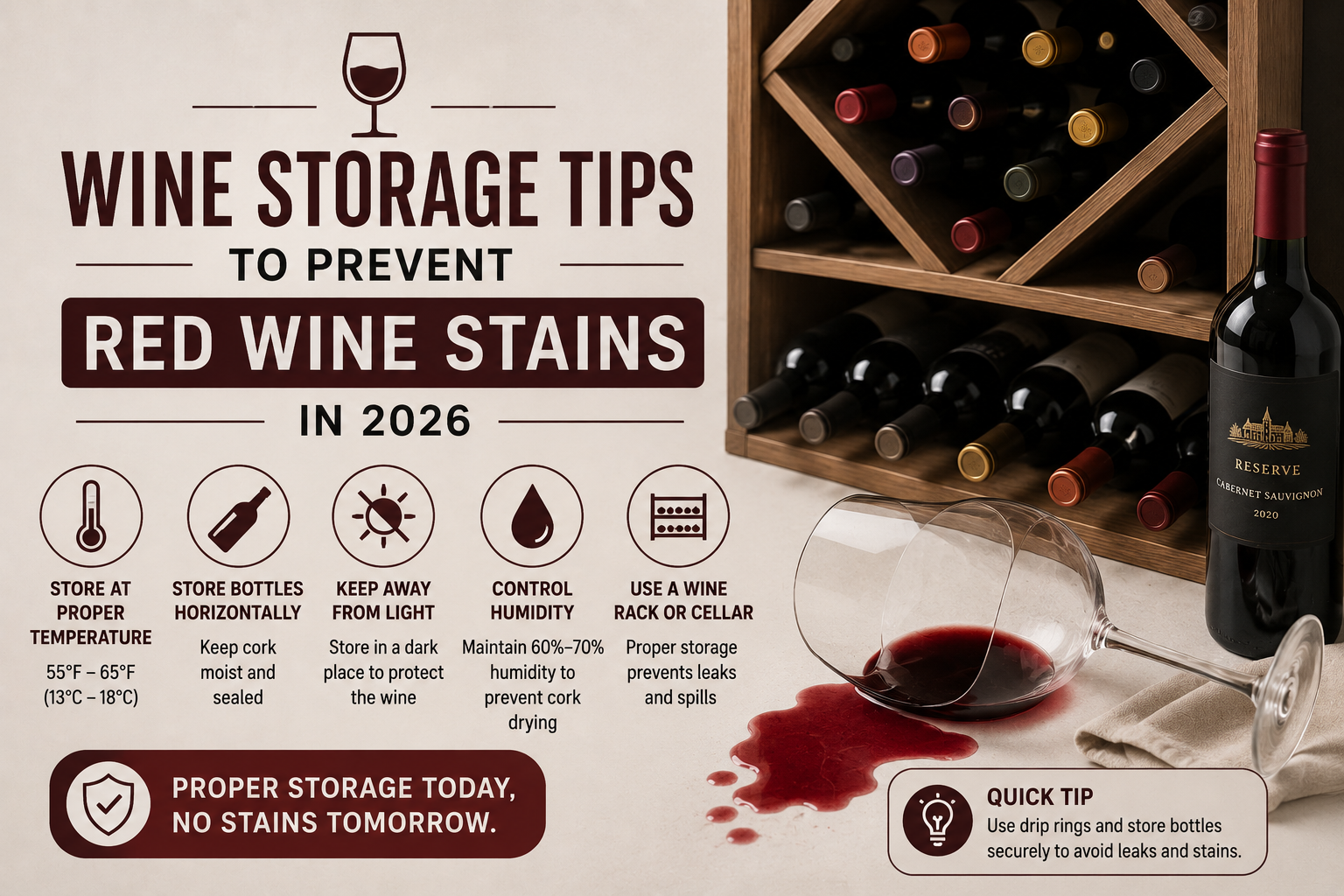
Wine should generally be stored between 45°F and 65°F (7°C–18°C). Around 55°F is often considered ideal.
Humidity
Humidity levels between 60% and 70% help prevent corks from drying out.
Darkness
Direct sunlight and UV rays can damage wine quickly.
Minimal Vibration
Constant vibration disturbs sediment and aging processes.
Proper Airflow
Good ventilation prevents mold and odors.
Best Places to Store Wine at Home
1. Wine Cellar
A traditional cellar offers the best long-term environment for serious collectors.

Pros
- Excellent aging conditions
- Large storage capacity
- Professional organization options
Cons
- Expensive installation
- Requires maintenance
2. Wine Refrigerator
Wine fridges are one of the most popular storage solutions in 2026.
Benefits
- Temperature control
- Compact sizes available
- Dual-zone cooling for red and white wines
- Ideal for apartments and modern homes
3. Kitchen Wine Rack
Suitable for short-term storage if the kitchen stays cool.
Avoid placing racks:
- Above ovens
- Near windows
- Close to dishwashers
Heat fluctuations can damage wine over time.
4. Basement Storage
Basements naturally stay cooler and darker, making them useful for wine storage if humidity is controlled.
Organizing Wine by Category
There is no single perfect system. The best approach depends on your collection size and drinking habits.
Organize by Wine Type
This is the simplest and most beginner-friendly method.
Example Categories
- Cabernet Sauvignon
- Pinot Noir
- Chardonnay
- Sauvignon Blanc
- Champagne
This system makes bottle selection quick and easy.
Organize by Region
Many collectors prefer geographic organization.
Examples
- France
- Italy
- Spain
- Australia
- California
- Chile
Within each region, bottles can be grouped further by winery or appellation.
Organize by Vintage Year
Collectors focused on aging often arrange wines by vintage.
This method helps:
- Track peak maturity
- Plan consumption
- Monitor investment bottles
Organize by Price or Value
High-value bottles can be separated for security and special occasions.
Some collectors use:
- Daily drinking section
- Mid-range wines
- Premium reserve section
Organize by Occasion
This practical method works well for active wine drinkers.
Categories May Include
- Dinner wines
- Celebration bottles
- Gift wines
- Holiday wines
- Weekend wines
Use Proper Wine Racks
Wine racks are essential for both protection and accessibility.
Horizontal Storage
Wine bottles with corks should usually be stored horizontally.
Benefits include:
- Keeps cork moist
- Prevents oxidation
- Saves space
Vertical Storage
Vertical storage works best for:
- Sparkling wines
- Screw-cap bottles
- Short-term storage
Popular Wine Rack Materials
Wooden Wine Racks

Classic and elegant.
Advantages
- Traditional appearance
- Strong support
- Ideal for cellars
Metal Wine Racks
Modern and space-efficient.
Advantages
- Minimalist design
- Durable
- Great for contemporary interiors
Modular Wine Racks
Flexible systems that expand with your collection.
Perfect for growing collectors.
Labeling Your Wine Collection
Labels improve navigation and inventory tracking.
What to Include on Labels
- Wine name
- Vintage
- Region
- Purchase date
- Drink-by date
- Quantity remaining
You can use:
- Printed tags
- Shelf markers
- QR codes
- Digital inventory apps
Create a Wine Inventory System
Inventory management becomes essential once collections exceed 20–30 bottles.
Manual Inventory Methods
Spreadsheet Tracking
Use columns for:
- Bottle name
- Vintage
- Region
- Quantity
- Purchase cost
- Storage location
Wine Inventory Apps
Modern apps simplify wine management dramatically.
Features may include:
- Barcode scanning
- Drink reminders
- Tasting notes
- Food pairing suggestions
- Cellar valuation
Some apps even estimate market prices for collectors.
Separate Wines by Aging Potential
Not every wine improves with age.
Wines Best Consumed Young
Drink within 1–3 years:
- Most rosé wines
- Basic white wines
- Light reds
Wines Suitable for Aging
Can age for 5–20+ years:
- Bordeaux blends
- Barolo
- Vintage Champagne
- Premium Cabernet Sauvignon
Create separate sections for:
- Ready-to-drink wines
- Mid-term aging wines
- Long-term investment wines
Protect Your Valuable Bottles
Rare or expensive wines require extra care.
Security Tips
- Use lockable wine cabinets
- Maintain digital purchase records
- Avoid excessive handling
- Install temperature monitors
Collectors with investment-grade wines may also consider insurance coverage.
Avoid Common Wine Storage Mistakes
Even experienced collectors sometimes make simple errors.
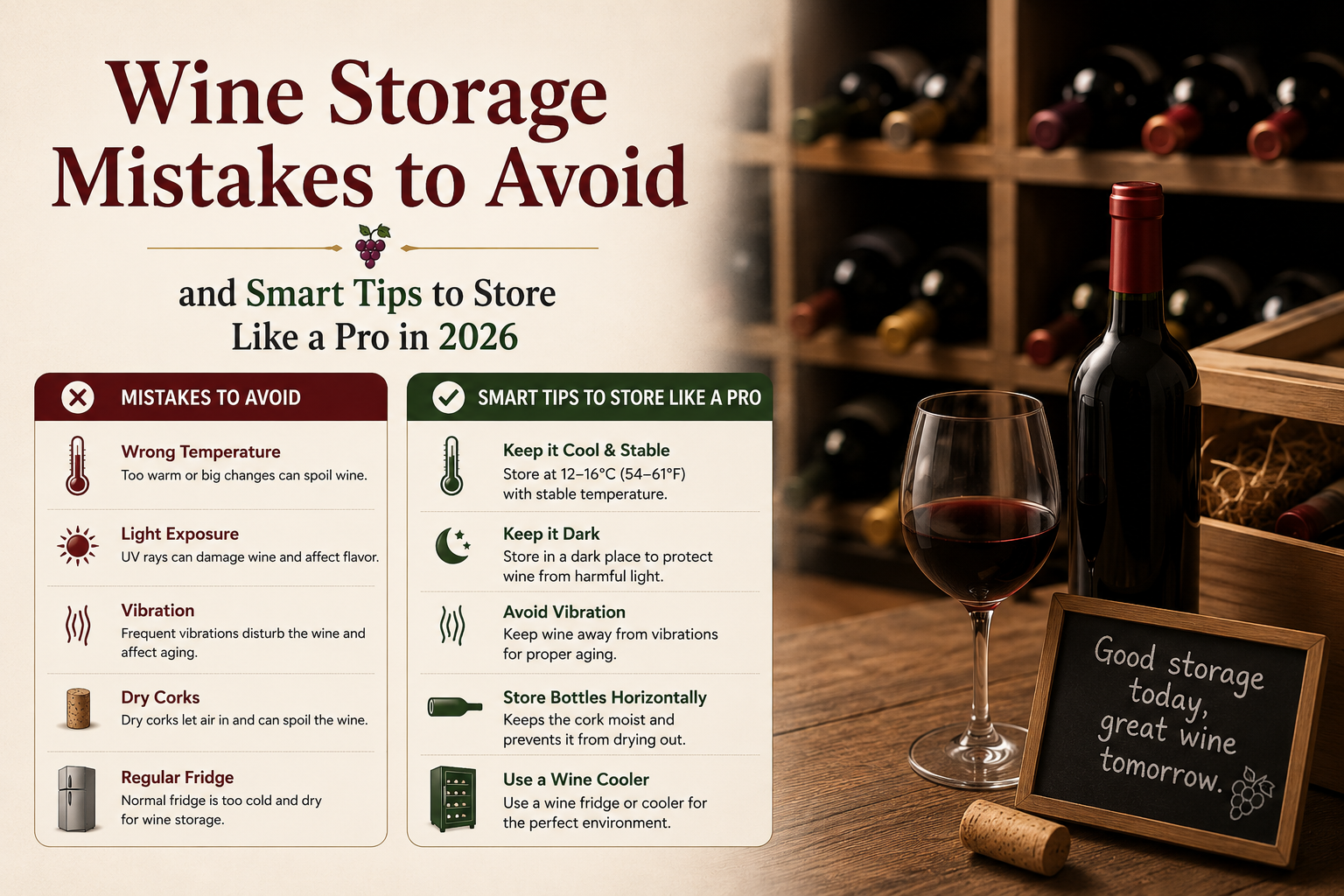
1. Storing Wine Too Warm
Heat is one of wine’s biggest enemies.
2. Refrigerating All Wines Permanently
Regular kitchen refrigerators are too cold and dry for long-term wine storage.
3. Keeping Bottles Upright for Years
Corks may dry out, allowing oxygen into the bottle.
4. Exposing Wine to Sunlight
UV rays damage flavor compounds.
5. Ignoring Inventory Tracking
Untracked collections quickly become disorganized.
Organizing a Small Wine Collection
You do not need a massive cellar to stay organized.
Tips for Small Collections
- Limit purchases intentionally
- Use compact wine racks
- Keep only favorite varieties
- Rotate bottles regularly
- Track wines digitally
Even a 12-bottle collection can look elegant and organized.
Organizing a Large Wine Collection
Larger collections need structured systems.
Advanced Organization Tips
Use Numbered Shelves
Assign rack numbers and sections.
Create Digital Maps
Track exact bottle placement.
Rotate Bottles by Drink Window
Move ready-to-drink wines to accessible locations.
Separate Investment Wines
Avoid unnecessary movement.
Wine Collection Organization for Entertaining
If you frequently host guests, accessibility matters.
Keep a Hosting Section
Store:
- Crowd-pleasing reds
- Chilled whites
- Sparkling wines
- Backup bottles
This prevents constant searching before events.
Seasonal Wine Rotation Tips
Wine preferences often change throughout the year.
Spring & Summer Wines
- Rosé
- Sauvignon Blanc
- Pinot Grigio
- Sparkling wines
Fall & Winter Wines
- Cabernet Sauvignon
- Syrah
- Merlot
- Malbec
Rotating seasonal wines keeps your collection practical and enjoyable.
Minimalist Wine Organization Approach
Some collectors prefer simplicity over large inventories.
Minimalist Strategies
- Buy only wines you genuinely enjoy
- Maintain a smaller rotating selection
- Focus on quality over quantity
- Avoid overbuying trendy wines
This method reduces clutter and waste.
Smart Wine Storage Technology in 2026
Technology is changing how collectors manage wine.
Smart Features Now Available
- App-controlled wine refrigerators
- Temperature alerts
- Humidity sensors
- AI inventory management
- Bottle recognition systems
- Digital tasting journals
These tools make wine collecting more convenient and accurate.
Building a Personal Wine Catalog
A personal catalog adds value beyond storage.
Include:
- Tasting notes
- Food pairings
- Purchase locations
- Favorite wineries
- Memorable occasions
Over time, your collection becomes a reflection of your experiences and preferences.
Tips for Beginners Starting a Wine Collection
If you are new to wine collecting, keep things simple.
Beginner-Friendly Advice
Start Small
Focus on a manageable number of bottles.
Learn Your Preferences
Experiment with different grape varieties and regions.
Buy Proper Storage Early
Even a small wine fridge makes a big difference.
Track Purchases
Begin inventory management immediately.
Avoid Impulse Buying
Build intentionally instead of randomly.
Final Thoughts
Organizing your wine collection is about more than storage. It enhances the entire wine experience from selecting the perfect bottle to preserving flavor and creating memorable moments with friends and family.
Whether you own a few everyday bottles or an extensive cellar, proper organization helps protect your investment, simplify inventory management, and improve accessibility. By choosing suitable storage conditions, creating a practical categorization system, and using modern inventory tools, you can build a collection that remains enjoyable and well-maintained for years.
Wine collecting should feel rewarding, not chaotic. With the right organization strategy, every bottle has its place, every vintage becomes easier to track, and your appreciation for wine continues to grow over time.

Leave a comment
This site is protected by hCaptcha and the hCaptcha Privacy Policy and Terms of Service apply.