



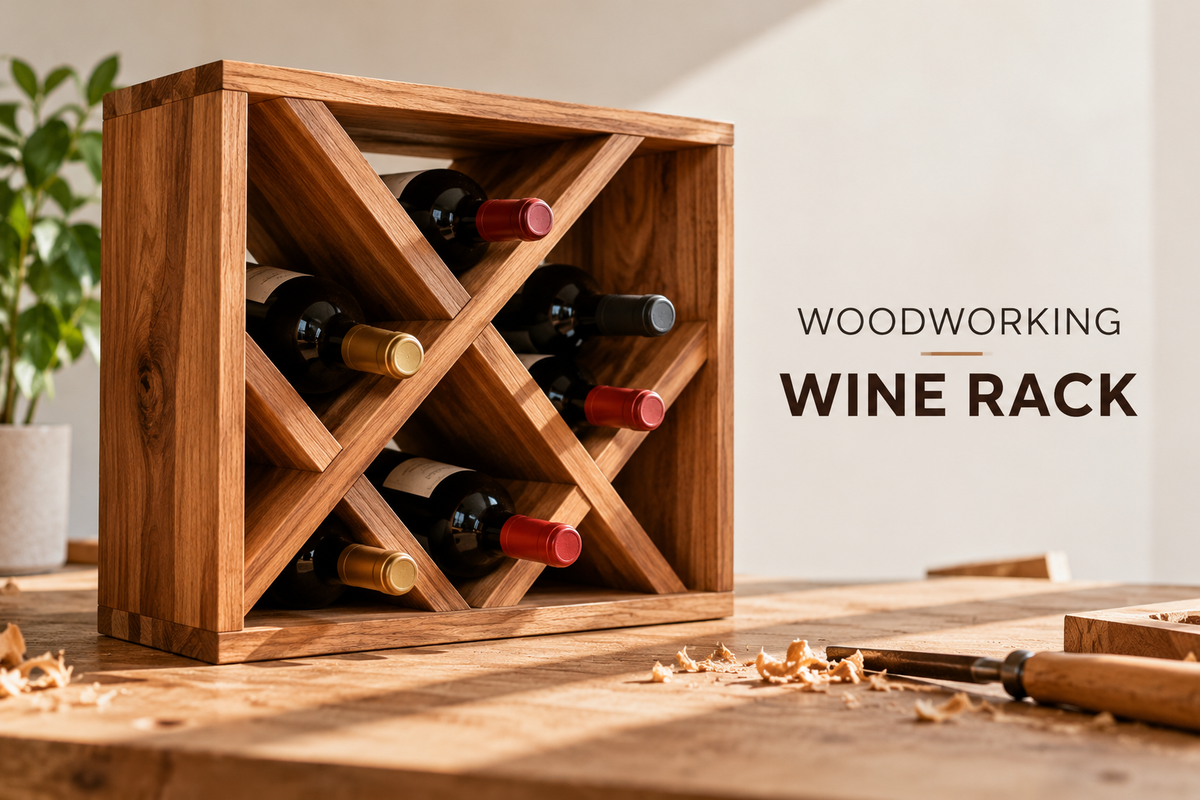
A woodworking wine rack is a practical and stylish way to store your wine collection while adding character to your home. Whether you prefer a rustic timber design, a modern wall-mounted rack, or a custom wine storage solution for your cellar, woodworking allows you to create a rack that suits your space, budget, and interior style.
From selecting the right timber to choosing the ideal design and finish, building a wooden wine rack can be a rewarding project for both beginners and experienced woodworking enthusiasts. In this guide, we explore the benefits of wooden wine racks, popular designs, materials, construction tips, and maintenance advice.
Why Choose a Wooden Wine Rack?
Wood remains a popular material for wine storage because of its natural appearance, durability, and versatility. Unlike some mass-produced metal or plastic alternatives, a handcrafted wooden wine rack can be customised to match your furniture, cabinetry, or overall interior design.
Here are some key benefits of choosing a wooden wine rack:
-
Natural aesthetics: Timber adds warmth and texture to kitchens, dining rooms, and dedicated wine cellars.
-
Customisable designs: You can adjust the size, shape, finish, and bottle capacity to suit your needs.
-
Durability: Quality hardwoods and properly constructed timber frames can provide years of reliable use.
-
Versatility: Wooden racks work well in traditional, contemporary, rustic, and industrial interiors.
-
Expandable storage: Modular designs make it easier to increase storage capacity as your collection grows.
A well-designed wooden wine rack can also become a decorative feature, allowing you to display your favourite bottles without compromising on functionality.
Best Wood for Building a Wine Rack
Choosing the right timber is one of the most important steps when planning a woodworking wine rack. The best material depends on your budget, preferred appearance, and intended installation location.
1. Oak
Oak is a durable hardwood with an attractive grain pattern. It is suitable for premium wine racks, custom cabinetry, and traditional cellar designs. Its strength makes it a good option for sturdy frames and larger storage installations.
2. Pine
Pine is an affordable and widely available softwood. It is relatively easy to cut, drill, sand, and assemble, making it particularly suitable for DIY woodworking projects. Staining or painting can help you achieve different decorative finishes.
3. Cedar
Cedar has a distinctive appearance and is relatively lightweight. It can be considered for decorative wine storage, although the suitability of any timber depends on the surrounding temperature, humidity, and finish.
4. Walnut
Walnut is valued for its rich colour and sophisticated appearance. It is an excellent choice for luxury wine racks, premium home bars, and contemporary interiors, although it generally costs more than pine.
For most DIY projects, pine offers affordability and ease of construction, while oak and walnut are better suited to higher-end custom designs.
Popular Woodworking Wine Rack Designs
The right design depends on your available space, collection size, and preferred style.
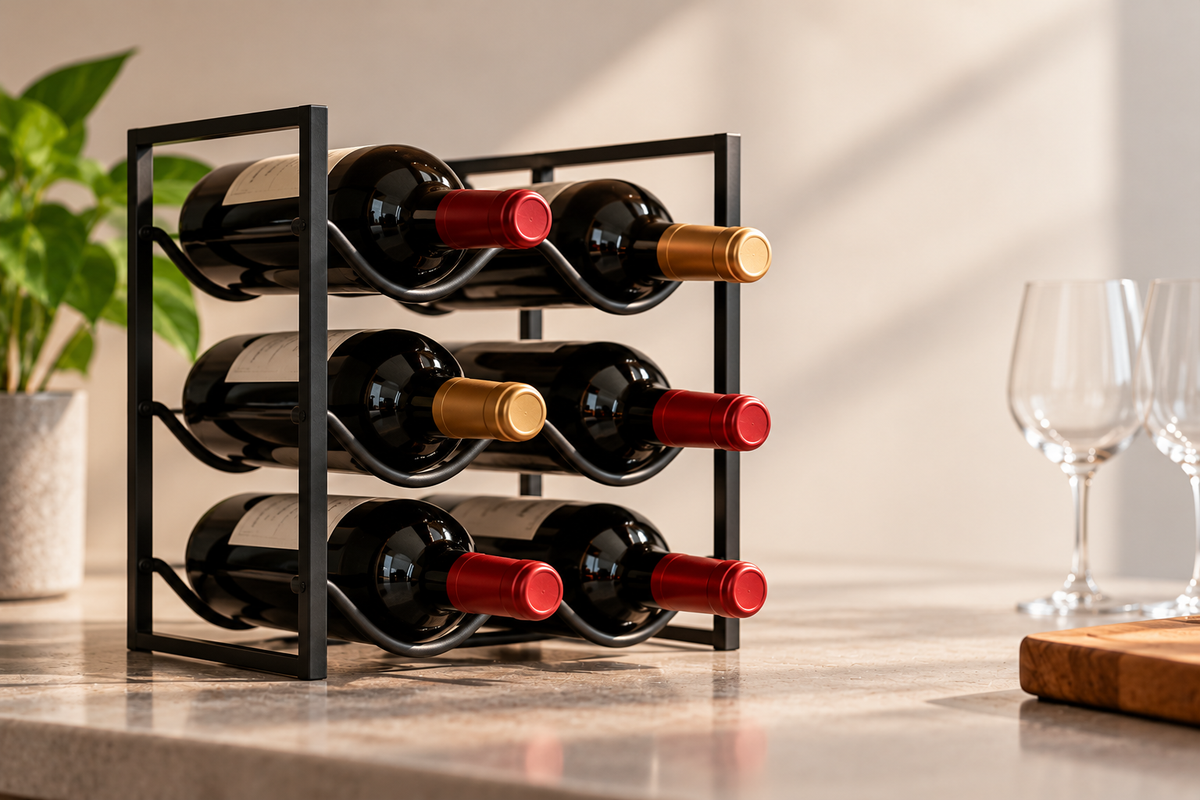
Countertop wine racks: These compact designs are ideal for small collections and kitchen counters. They are relatively easy to build and can typically accommodate a few bottles.
Wall-mounted wine racks: A wall-mounted rack helps maximise floor space while creating an attractive display. It must be securely anchored to suitable wall supports, with fixings appropriate for the wall type and total loaded weight.
Freestanding wine racks: Freestanding designs are suitable for larger collections and can be built as standalone furniture. Additional bracing and a stable base are important to prevent tipping.
Modular wooden wine racks: Modular racks consist of sections that can be assembled or expanded as your collection grows. They are useful for homeowners planning a dedicated wine storage area.
Custom wine cellar racks: Custom-built racks can use the available wall space efficiently and accommodate different bottle formats. They are particularly useful for wine rooms where storage capacity and appearance are equally important.
How to Build a Wooden Wine Rack
Building a simple wooden wine rack requires basic woodworking tools, accurate measurements, and careful assembly.
Step 1: Plan Your Design
Determine how many bottles you want to store and where the rack will be installed. Measure the available space and create a basic drawing that includes the overall dimensions, shelf spacing, and bottle openings.
Standard wine bottles are often around 75 mm in diameter, but dimensions vary by bottle type. Allow sufficient clearance for easy insertion and removal.
Step 2: Select Your Materials
Choose suitable timber based on your budget and design. You will also need a measuring tape, saw, drill, sandpaper, screws, clamps, and a suitable wood finish.
Check that the timber is straight, dry, and free from major defects that could weaken the finished structure.
Step 3: Cut and Prepare the Wood
Measure and mark each component before cutting. Sand the edges to remove splinters and rough surfaces. For bottle supports, use a consistent template to ensure the openings are evenly spaced.
Step 4: Assemble the Rack
Join the pieces using appropriate screws, woodworking joints, or other suitable fasteners. Keep the frame square during assembly and add reinforcement where necessary. Test the structure for stability before placing any bottles inside.
Step 5: Apply the Finish
Sand the completed rack and apply a suitable stain, paint, or clear finish according to the manufacturer's instructions. Allow the finish to cure fully before introducing wine bottles.
For wine cellars, choose finishes suitable for the intended environment and ensure adequate ventilation during application and curing.
Tips for Maintaining Your Wooden Wine Rack
Regular maintenance helps preserve the appearance and strength of your wine rack.
-
Clean the timber with a soft, dry or slightly damp cloth.
-
Avoid excessive moisture that could cause swelling, warping, or mould.
-
Check screws, joints, and wall fixings periodically.
-
Keep the rack away from direct sunlight and sources of heat.
-
In dedicated cellars, monitor temperature and humidity to help protect the wine collection.
For long-term wine storage, the surrounding environment matters as much as the rack itself. A wooden rack provides physical support, but it does not independently regulate temperature or humidity.
Conclusion
A woodworking wine rack combines practical storage with timeless craftsmanship. Whether you build a simple countertop rack from pine or commission a custom oak installation for a dedicated wine cellar, timber offers plenty of opportunities to create a design that suits your home.
By selecting appropriate materials, planning the dimensions carefully, assembling a stable structure, and applying a suitable finish, you can create a wooden wine rack that is attractive, functional, and durable.
For homeowners seeking a more personalised solution, custom wooden wine racks can also maximise available space and complement existing furniture. With the right design and proper care, a well-made wine rack can remain a useful and attractive feature for years to come.


Leave a comment
This site is protected by hCaptcha and the hCaptcha Privacy Policy and Terms of Service apply.