

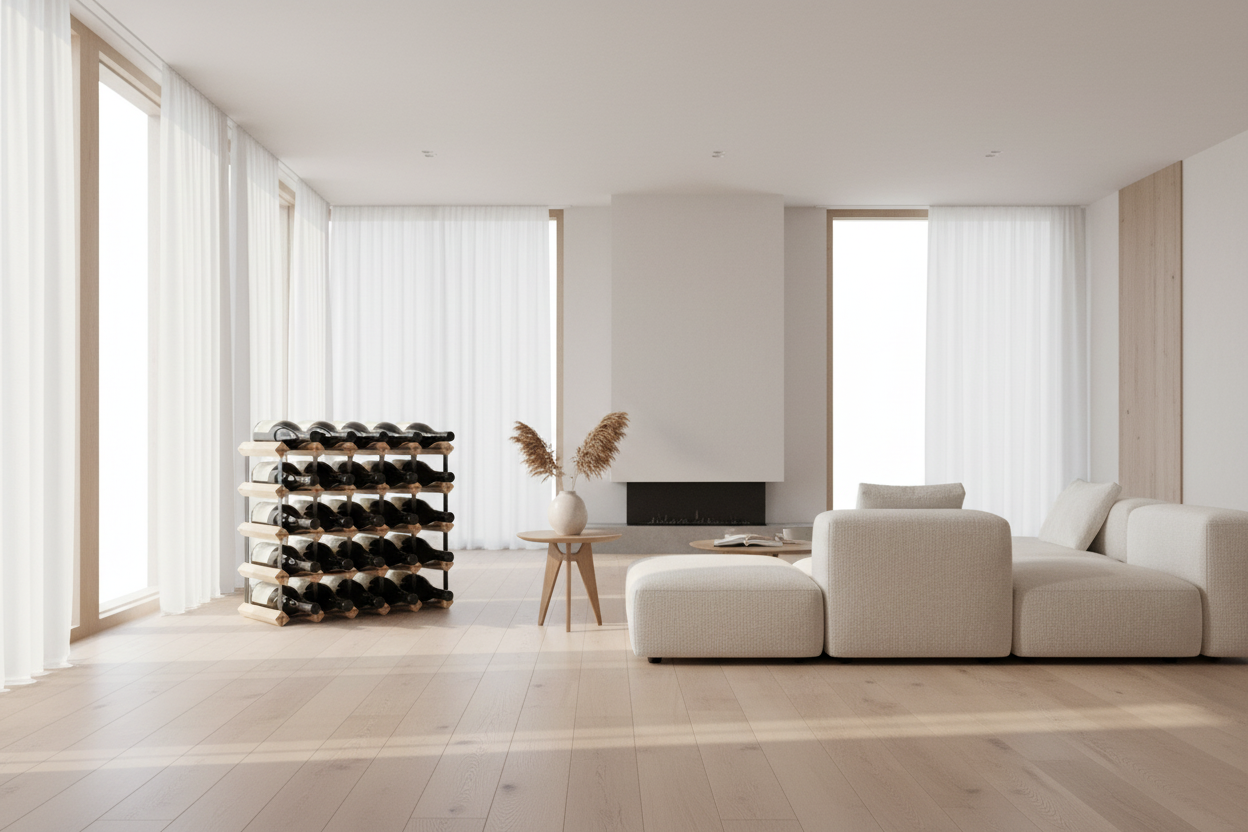
A home bar can be a stylish and practical addition to a Sydney home. Whether it is a compact entertaining corner in an apartment, a dedicated bar in a modern house, or an outdoor entertaining setup, thoughtful design can make the space both attractive and functional. However, even a beautiful home bar can become inconvenient if the layout, storage, lighting, or materials are poorly planned.
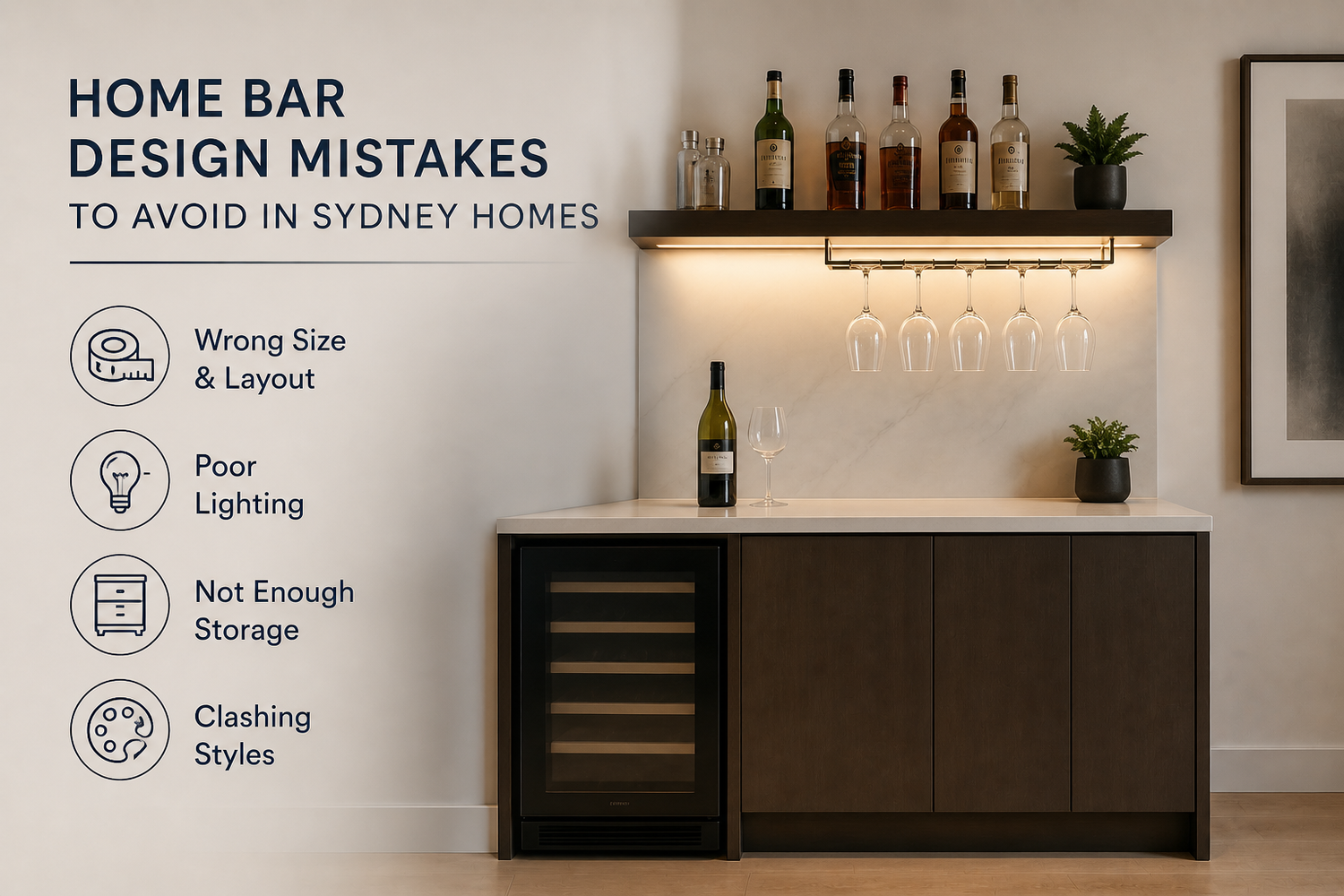
Sydney homes come in many different styles and sizes, from compact apartments to spacious suburban properties. This means a home bar needs to be designed around the available space, lifestyle, and interior. Here are some common home bar design mistakes to avoid when creating an entertaining area in your Sydney home.
1. Choosing Style Over Functionality
One of the biggest mistakes is focusing entirely on appearance. A home bar may look impressive in photographs but become frustrating if there is not enough space to prepare drinks, store glassware, or access bottles.
Before choosing finishes and decorative elements, think about how you will actually use the bar. Consider where bottles will be stored, where drinks will be prepared, and where guests will sit or stand.
A functional design should provide sufficient counter space, accessible storage, and comfortable movement around the bar. Style should complement these practical requirements rather than replace them.
2. Ignoring the Available Space
Not every Sydney home has enough room for a large, traditional bar. Trying to fit an oversized bar into a small apartment or compact living area can make the entire room feel crowded.
Instead, measure the available space before selecting cabinetry or furniture. Consider wall-mounted shelving, compact cabinets, corner bars, or built-in storage for smaller spaces.
For larger homes, you may have the flexibility to create a more elaborate setup with extensive cabinetry, seating, and dedicated bottle storage.
The key is to design the bar according to the room rather than trying to force a particular design into it.
3. Poor Storage Planning
A home bar needs more storage than just a place for bottles. You may also need space for wine glasses, tumblers, cocktail shakers, mixers, serving trays, napkins, ice buckets, and other accessories.
Poor storage planning can quickly lead to clutter.
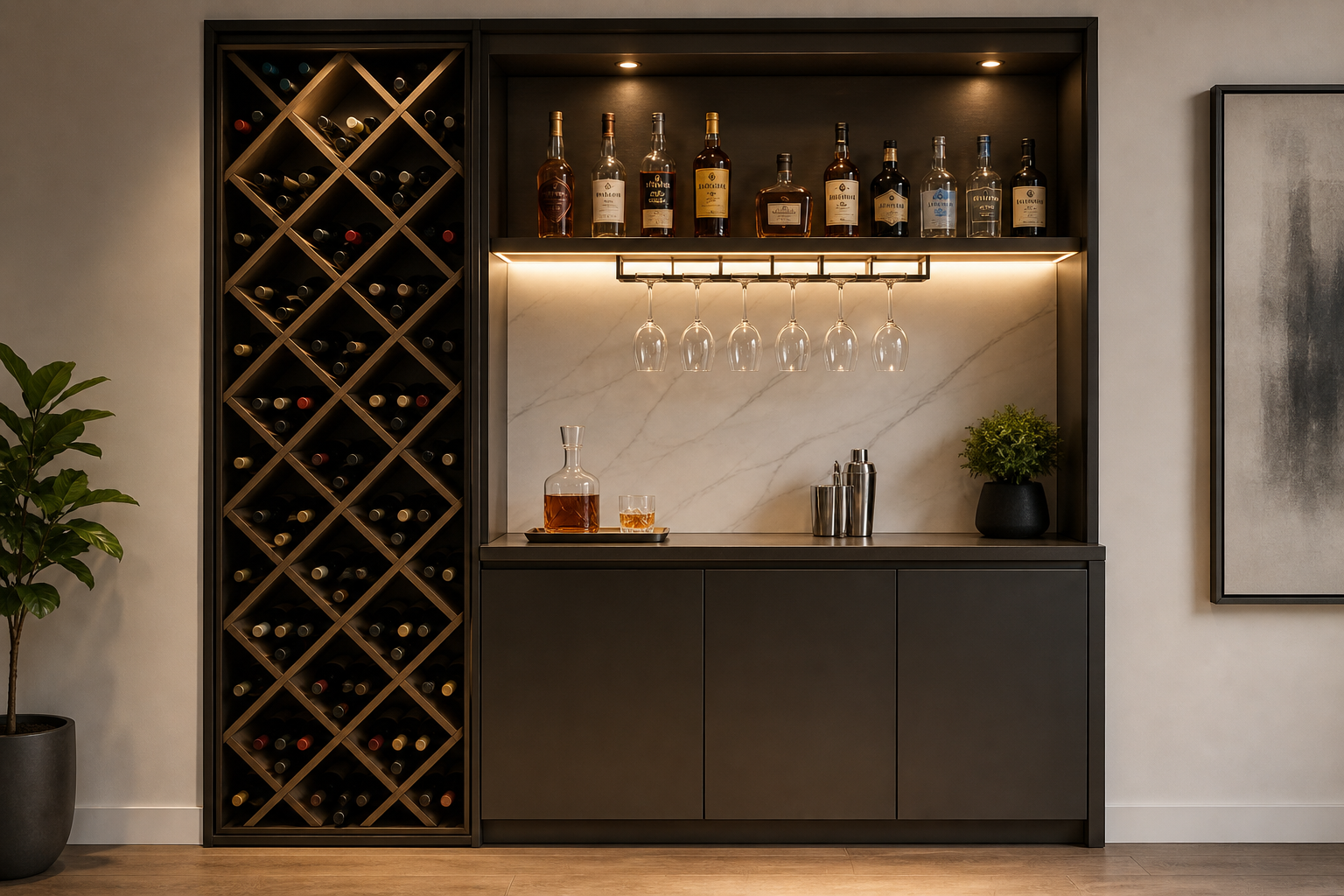
Use a combination of open shelving and closed cabinets to keep everything organized. Open shelves are useful for displaying attractive glassware or selected bottles, while closed storage can hide less visually appealing items.
Think about your current collection as well as future storage requirements. A bar that barely accommodates your belongings today may become impractical as your collection grows.
4. Forgetting About Lighting
Lighting is often overlooked during home bar design. However, it can dramatically affect both functionality and atmosphere.
A single bright ceiling light may illuminate the area but create a harsh environment. Instead, consider layering different types of lighting.
Under-cabinet LEDs can illuminate the countertop, while shelf lighting can highlight bottles and glassware. Pendant lights can add a decorative feature above a bar counter, while warm ambient lighting can create a more inviting atmosphere during evening entertaining.
If possible, plan the lighting before cabinetry is installed so wiring and fixtures can be properly integrated.
5. Using the Wrong Materials
Sydney's climate and lifestyle should be considered when selecting materials for a home bar. Countertops, cabinets, flooring, and hardware should be durable enough to handle spills, frequent use, and regular cleaning.
Porous materials can require more maintenance, while poorly finished cabinetry may deteriorate when repeatedly exposed to moisture.
Choose surfaces that are practical as well as attractive. Easy-to-clean countertops and durable cabinet finishes can help your bar maintain its appearance for years.
If your bar connects to an outdoor entertaining area, make sure the materials are specifically suitable for the conditions they will experience.
6. Neglecting Electrical Planning
Modern home bars often require electricity for refrigerators, wine coolers, lighting, coffee machines, ice makers, or other appliances.
Failing to plan electrical outlets in advance can result in extension cords running across countertops or awkward appliance placement.
Determine which appliances you intend to use before construction or installation begins. Electrical work should always be planned and carried out according to applicable Australian requirements by a qualified professional.
A well-planned electrical layout keeps the countertop cleaner and makes the bar much easier to use.
7. Making the Bar Too Small to Use Comfortably
A compact bar can be useful, but reducing the countertop or storage area too much can compromise functionality.
You need enough space to comfortably place bottles, glasses, cocktail tools, and drinks while preparing beverages. If the bar includes seating, allow sufficient room for people to sit comfortably without blocking walkways.
Think about the number of people you typically entertain. A bar designed for one person will have different requirements from one regularly used during large gatherings.
8. Blocking Natural Movement
Another common mistake is placing the bar where it interrupts traffic flow.
In open-plan Sydney homes, living, dining, and kitchen areas often share the same space. A poorly positioned bar can create a bottleneck, particularly when several guests are gathered around it.
Maintain clear pathways around the bar and consider how people will move between the kitchen, dining area, living room, and outdoor spaces.
A good home bar should encourage social interaction without becoming an obstacle.
9. Overloading the Design With Trends
Trendy finishes can look appealing initially, but home bars are often long-term investments. Choosing too many fashionable elements can make the design feel dated after a few years.
Instead, create a timeless foundation using quality cabinetry, practical materials, and a neutral color palette. You can incorporate trends through easily replaceable elements such as stools, artwork, lighting accessories, or decorative objects.
This approach makes it easier to update the space without completely renovating the bar.
10. Forgetting About Ventilation
If your bar includes appliances or is positioned in an enclosed area, ventilation can become important.
Refrigerators, wine cooling systems, coffee machines, and other appliances can generate heat. Poor ventilation around built-in appliances can affect performance and potentially shorten their lifespan.
Always follow the manufacturer's installation requirements and allow appropriate ventilation around appliances.
For enclosed bar areas, consider the overall airflow and comfort of the room, especially when entertaining multiple guests.
11. Ignoring Cleaning and Maintenance
A home bar is likely to experience spills, fingerprints, water marks, and regular wear. Designing a beautiful space that is difficult to clean can become a long-term inconvenience.
Choose finishes that are easy to wipe down and maintain. Avoid unnecessary grooves, complicated surfaces, or difficult-to-reach areas where dust and spills can accumulate.
Storage should also make cleaning easier. Cabinets and drawers that keep accessories organized can reduce countertop clutter and simplify maintenance.
12. Forgetting About Personal Lifestyle
The perfect home bar is not necessarily the largest or most expensive one. It should reflect how you actually entertain.
If you mainly enjoy wine, prioritize bottle storage and appropriate glassware. If cocktails are your preference, allocate more countertop space for preparation and storage for bar tools. If your bar is primarily used for casual gatherings, comfortable seating and easy access may be more important.
Consider your habits before finalizing the design. Personal functionality will always be more valuable than simply copying a design from a showroom or social media.
13. Not Considering Future Needs
Your lifestyle and collection may change over time. A home bar designed without any flexibility can become restrictive.
Consider modular shelving, adjustable cabinet interiors, and additional storage capacity. If you expect to add appliances later, think about whether the cabinetry and electrical layout can accommodate them.
Planning for future needs can save you from expensive modifications later.
Conclusion
Designing a home bar for a Sydney home is about more than choosing attractive cabinetry and countertops. The best results come from balancing aesthetics, functionality, storage, durability, and comfort.
Avoid common mistakes such as overcrowding the space, ignoring storage, using unsuitable materials, neglecting lighting, blocking walkways, and failing to plan electrical requirements. Most importantly, design the bar around your home and your lifestyle rather than trying to replicate a design that may not suit your space.
With careful planning, even a compact Sydney apartment can accommodate a stylish and practical home bar. A well-designed entertaining area can enhance your home's interior while providing a comfortable place to relax, entertain guests, and enjoy your favourite drinks.

Leave a comment
This site is protected by hCaptcha and the hCaptcha Privacy Policy and Terms of Service apply.