



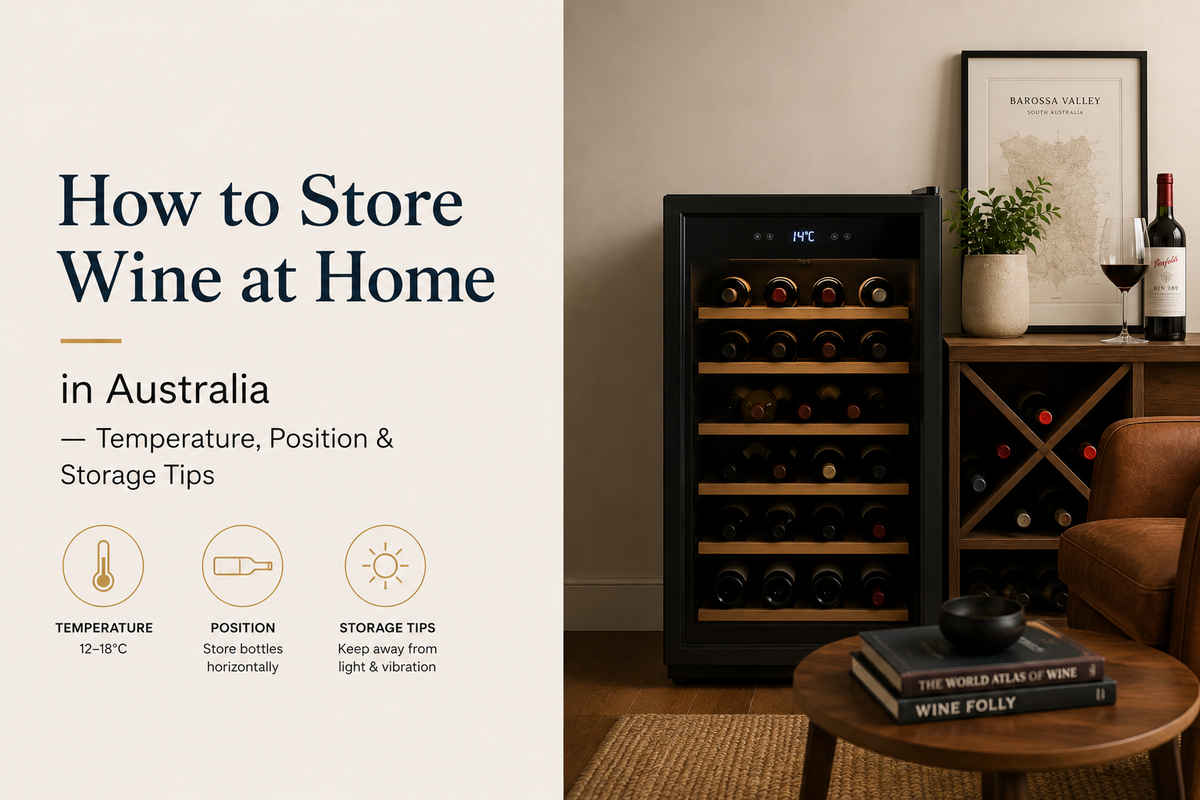
Whether you're a casual wine lover or a serious collector, proper wine storage is essential to preserving flavour, aroma, and quality. Australia's climate can be challenging, with hot summers and varying humidity levels, making it even more important to understand how to store wine at home Australia homeowners can rely on for long-term enjoyment.
Many people assume that keeping bottles in the kitchen or pantry is enough. However, improper storage can age wine prematurely, dry out corks, and negatively impact taste. Fortunately, you don't need a professional cellar to keep your wine in excellent condition. With the right temperature, bottle position, and storage setup, you can maintain your collection beautifully at home.
This guide covers everything you need to know about how to store wine at home Australia, including ideal conditions, common mistakes, and practical wine storage tips.
Why Proper Wine Storage Matters
Wine is a living product that continues to evolve after bottling. Environmental factors significantly affect its quality.
Correct storage helps:
- Preserve flavour and aroma.
- Prevent premature ageing.
- Protect corks from drying out.
- Maintain wine value.
- Ensure wines mature correctly.
- Avoid spoilage caused by heat and sunlight.
Whether you have a few bottles or a growing collection, understanding how to store wine at home Australia homeowners should follow can save you from expensive disappointments.
Ideal Temperature for Storing Wine
Temperature is the single most important factor affecting wine quality.
Recommended Storage Temperature
General Wine Storage
12°C to 15°C
This range suits most wines, including:
- Red wine
- White wine
- Sparkling wine
- Rosé
Consistency is more important than achieving an exact temperature.
Why Temperature Fluctuations Are Harmful
Frequent temperature changes cause wine to expand and contract, potentially damaging the cork and allowing oxygen into the bottle.
Excess heat may:
- Accelerate ageing
- Alter flavour
- Ruin delicate aromas
Temperatures above 24°C can permanently damage wine.
How Australia's Climate Affects Wine Storage
Australia's warm climate presents unique challenges.
Summer temperatures can easily exceed 35°C in many regions, making certain locations unsuitable for long-term storage.
Avoid storing wine in:
- Garages
- Outdoor sheds
- Laundry rooms
- Kitchens near ovens
- Rooms exposed to direct sunlight
Finding a cool and stable environment is essential when learning how to store wine at home Australia.
Bottle Position Matters
One of the most overlooked aspects of wine storage is bottle orientation.
Store Bottles Horizontally
Horizontal storage keeps the cork moist.
Benefits include:
- Prevents cork shrinkage.
- Stops oxygen from entering.
- Preserves freshness.
- Maximizes storage space.
Wine racks are specifically designed for this purpose.
What About Screw-Cap Wines?
Australia produces many excellent screw-cap wines.
These bottles can technically be stored vertically, but horizontal storage remains ideal for:
- Better organization.
- Space efficiency.
- Consistent presentation.
Keep Wine Away from Sunlight
Light exposure can damage wine over time.
UV rays accelerate oxidation and may create unpleasant aromas.
Avoid placing bottles:
- Near windows
- In direct sunlight
- Under strong fluorescent lights
Dark spaces are preferable.
If displaying bottles, use:
- Tinted glass cabinets
- Closed storage units
- Wine cabinets with UV protection
Control Humidity Levels
Humidity affects cork integrity.
Ideal Humidity Range
50–70%
This level helps prevent:
- Cork drying
- Air leakage
- Label damage
Too much humidity can encourage mold growth, while extremely dry conditions may cause cork shrinkage.
Most Australian homes naturally maintain acceptable humidity levels indoors.
Avoid Vibrations
Constant movement disrupts wine maturation.
Vibrations may:
- Disturb sediment
- Affect ageing
- Alter flavour development
Avoid storing bottles near:
- Washing machines
- Refrigerators
- Speakers
- Air conditioning compressors
Stable storage promotes better ageing.
Best Places to Store Wine at Home
Wine Rack in Living Areas
Freestanding wine racks provide:
- Easy access
- Attractive display
- Horizontal storage
Ideal for:
- Small collections
- Everyday wines
Avoid placing racks in direct sunlight.
Pantry Storage
Pantries often provide:
- Darkness
- Stable temperatures
- Convenient access
Ensure the area remains cool and dry.
Home Bar Cabinet
Modern bar cabinets offer:
- Bottle storage
- Glass holders
- Dust protection
They're excellent for homeowners seeking both style and practicality.
Dedicated Wine Fridge
Wine refrigerators provide the most reliable conditions.
Advantages include:
- Temperature control
- UV protection
- Humidity management
- Long-term preservation
A wine fridge is particularly useful in warmer Australian regions.
Under-Stair Storage
Under-stair areas are naturally:
- Cooler
- Darker
- More temperature stable
These spaces work exceptionally well for growing collections.
Red Wine Storage Tips
Red wine stores best between:
12°C–18°C
Suitable varieties include:
- Shiraz
- Cabernet Sauvignon
- Pinot Noir
- Merlot
Long-term storage benefits from temperatures around 13°C.
Avoid exposing reds to excessive heat.
White Wine Storage Tips
White wines generally prefer:
8°C–12°C
Popular examples include:
- Chardonnay
- Sauvignon Blanc
- Riesling
Most whites are consumed younger and require less ageing than reds.
Sparkling Wine Storage
Champagne and sparkling wines should be stored:
5°C–10°C
Keep bottles horizontal and away from vibrations.
Proper storage preserves:
- Bubbles
- Freshness
- Crisp acidity
Short-Term vs Long-Term Storage
Short-Term Storage
For wines consumed within a few months:
- Wine racks are sufficient.
- Pantry storage works well.
- Consistent temperatures matter most.
Long-Term Storage
For ageing premium wines:
Consider:
- Wine refrigerators
- Cellars
- Climate-controlled cabinets
These solutions maintain ideal conditions year-round.
Common Wine Storage Mistakes
Many people unknowingly damage their wine.
Storing Wine Upright
Can dry corks and cause oxidation.
Keeping Bottles Above the Fridge
Heat from appliances negatively affects wine.
Exposing Wine to Sunlight
UV rays speed up spoilage.
Frequent Temperature Changes
Rapid fluctuations harm flavour and ageing.
Storing Wine in Garages
Australian garages often become too hot during summer.
Avoiding these mistakes is essential when learning how to store wine at home Australia.
Wine Racks vs Wine Cabinets
Wine Racks
Advantages:
- Affordable
- Stylish
- Space-saving
Best for:
- Small collections
- Everyday drinking wines
Wine Cabinets
Benefits:
- Dust protection
- Additional storage
- Decorative appeal
Suitable for:
- Home bars
- Living rooms
- Dining spaces
Wine Refrigerators
Provide:
- Professional storage conditions
- Temperature stability
- Long-term ageing support
Ideal for collectors and premium wines.
Organizing Your Collection
Proper organization saves time and protects your investment.
Arrange bottles by:
Type
- Red
- White
- Sparkling
Region
- Barossa Valley
- Margaret River
- Yarra Valley
Drinking Window
Keep wines you plan to consume soon easily accessible.
Current Wine Storage Trends in Australia
Australian homeowners increasingly prefer:
Freestanding Wine Racks
Flexible and stylish solutions.
Multifunctional Bar Cabinets
Combining storage and display.
Wine Refrigerators
Growing in popularity due to Australia's climate.
Sustainable Timber Furniture
Eco-friendly materials remain highly desirable.
Minimalist Displays
Modern interiors favour open shelving and sleek designs.
Budget-Friendly Wine Storage Ideas
You don't need a large budget to protect your collection.
Entry-Level Wine Racks
$50–$200
Suitable for:
- Beginners
- Small spaces
Bar Cabinets
$300–$1,500
Provide:
- Additional storage
- Elegant presentation
Wine Refrigerators
$500–$3,000+
Perfect for collectors and long-term ageing.
Maintenance Tips
To maintain ideal conditions:
Monitor Temperature
Keep storage areas consistent.
Clean Wine Racks Regularly
Dust and moisture can affect appearance.
Rotate Older Bottles
Consume wines before they pass their peak.
Inspect Corks
Watch for leakage or signs of deterioration.
Avoid Strong Odours
Wine can absorb surrounding smells over time.
Why Proper Wine Storage Matters in Australia
Australia's warm climate makes wine storage more challenging than in cooler regions.
Fortunately, understanding how to store wine at home Australia allows homeowners to protect their investment and enjoy every bottle at its best.
By focusing on:
- Temperature control
- Horizontal bottle storage
- Darkness
- Humidity
- Minimal vibration
You can create ideal conditions without requiring a traditional cellar.
Final Thoughts
Learning how to store wine at home Australia is essential for preserving the quality and enjoyment of your collection. Whether you own a handful of bottles or an extensive cellar, maintaining stable temperatures, storing bottles horizontally, avoiding sunlight, and choosing suitable storage solutions will ensure your wines age gracefully.
From freestanding wine racks and bar cabinets to dedicated wine fridges, there are storage options to suit every home and budget. With proper care, your favourite bottles will be ready to enjoy whenever the occasion calls for them.
FAQs
What is the ideal temperature for storing wine at home in Australia?
Most wines should be stored between 12°C and 15°C with minimal temperature fluctuations.
Should wine bottles be stored horizontally?
Yes. Horizontal storage keeps corks moist and prevents oxidation.
Is the kitchen a good place to store wine?
Generally no, as heat from appliances and fluctuating temperatures can damage wine.
Do I need a wine fridge in Australia?
A wine fridge is highly recommended for long-term storage, especially in warmer climates.
Can sunlight ruin wine?
Yes. UV rays accelerate oxidation and can permanently affect flavour and aroma.



Leave a comment
This site is protected by hCaptcha and the hCaptcha Privacy Policy and Terms of Service apply.