




Corking a wine bottle is an important part of wine storage and preservation. Whether you are bottling homemade wine, replacing an old cork or learning more about traditional wine storage, knowing how to cork a wine bottle correctly can help maintain its quality and prevent unwanted air exposure.
A properly inserted cork creates a secure seal that helps protect wine from oxidation, leakage and contamination. However, choosing the right cork, preparing the bottle and using the correct equipment are equally important.
In this guide, we will explain how to cork a wine bottle step by step, explore different types of wine corks and share practical tips for storing corked wine bottles.
1. Why Is Corking a Wine Bottle Important?
Wine corks have been used for centuries as a traditional bottle closure. They provide a seal that helps protect wine from excessive contact with oxygen.
Here are some important reasons why corking matters:
-
Prevents Leakage: A properly fitted cork helps prevent wine from escaping the bottle.
-
Protects Wine Quality: It limits unwanted air exchange and helps reduce oxidation.
-
Maintains Freshness: A suitable closure helps preserve the wine's intended characteristics.
-
Supports Storage: Corks make wine bottles suitable for organised storage and transportation.
-
Traditional Appearance: Natural cork provides a classic look associated with traditional wine bottles.
It is important to remember that corks are not completely airtight. The right closure depends on the wine type, intended storage period and bottling requirements.
2. Different Types of Wine Corks
Before learning how to cork a wine bottle, it is useful to understand the different cork options available.
Natural Cork
Natural cork is produced from the bark of cork oak trees. It is widely used for premium wines and traditional wine bottling.
Its natural structure provides flexibility and allows it to compress during insertion before expanding inside the bottle neck.
Synthetic Cork
Synthetic corks are manufactured using food-contact-suitable materials. They provide a consistent size and are often easier to insert and remove than some natural corks.
They are commonly used for wines intended for relatively early consumption.
Agglomerated Cork
Agglomerated corks are made from small cork particles bonded together. They are generally an economical alternative to solid natural corks.
Technical Cork
Technical corks combine natural cork components with other cork materials. They are designed to provide consistent sealing performance for different wine styles.
3. Equipment Required to Cork a Wine Bottle
Having the right equipment makes the corking process easier and more reliable.
You will generally need:
-
Clean and suitable wine bottles.
-
Correctly sized wine corks.
-
A manual or floor-standing wine corker.
-
A sanitising solution suitable for food-contact equipment.
-
A clean cloth.
-
A measuring tool for checking fill levels.
-
A bottle drying area.
For home winemaking, a dedicated wine corker is recommended because it compresses and inserts corks evenly. Using unsuitable tools can damage the cork or bottle.
How to Cork a Wine Bottle: A Complete Step-by-Step Guide
Corking a wine bottle is an essential part of wine bottling and storage. Whether you are preparing homemade wine, sealing a newly filled bottle or learning about traditional wine preservation, understanding how to cork a wine bottle correctly can help maintain its quality and prevent leakage.
A properly fitted cork creates a secure seal that limits unwanted oxygen exposure and protects wine during storage. However, choosing the right cork, preparing the bottle and using suitable equipment are equally important.
In this guide, we will explain how to cork a wine bottle step by step, explore different types of wine corks and share useful tips for maintaining properly sealed wine bottles.
1. Why Is Corking a Wine Bottle Important?
Wine corks have been used for centuries as a traditional bottle closure. They help seal bottles and protect wine from excessive exposure to oxygen.
Here are some important benefits of corking a wine bottle:
-
Prevents Leakage: A properly fitted cork helps prevent wine from escaping the bottle.
-
Protects Wine Quality: It limits unwanted air exchange and helps reduce oxidation.
-
Maintains Freshness: A suitable closure helps preserve the wine's intended characteristics.
-
Supports Storage: Corks make wine bottles suitable for organised storage and transportation.
-
Traditional Appearance: Natural cork provides a classic look associated with traditional wine bottles.
It is important to remember that corks are not completely airtight. The right closure depends on the wine type, intended storage period and bottling requirements.
2. Different Types of Wine Corks
Before learning how to cork a wine bottle, it is useful to understand the different types of wine corks available.
Natural Cork
Natural cork is produced from the bark of cork oak trees. It is widely used for premium wines and traditional wine bottling.
Its natural structure allows it to compress during insertion and expand inside the bottle neck, helping create a secure seal.
Synthetic Cork
Synthetic corks are manufactured using suitable food-contact materials. They provide consistent sizing and are often easier to insert and remove than some natural corks.
They are commonly used for wines intended for relatively early consumption.
Agglomerated Cork
Agglomerated corks are made from small cork particles bonded together. They are generally an economical alternative to solid natural corks.
Technical Cork
Technical corks combine natural cork components with other cork materials. They are designed to provide consistent sealing performance for different wine styles.
3. Equipment Required to Cork a Wine Bottle
Having the right equipment makes the corking process easier and more reliable.
You will generally need:
-
Clean and suitable wine bottles.
-
Correctly sized wine corks.
-
A manual, bench or floor-standing wine corker.
-
A food-safe sanitising solution.
-
A clean cloth.
-
A suitable wine-filling device.
-
A bottle drying area.
For home winemaking, a dedicated wine corker is recommended because it compresses and inserts corks evenly. Using unsuitable tools can damage the cork or bottle.
4. How to Cork a Wine Bottle: Step-by-Step Process
If you are corking wine bottles at home, following the correct process can help achieve a secure and consistent seal.
Step 1: Clean and Sanitise the Wine Bottle
Start by cleaning the wine bottle thoroughly. Remove any dust, dirt or residue from the inside and outside.
Use a suitable food-safe sanitising solution before filling the bottle. Allow the bottle to drain properly and ensure its neck is clean and dry.
Clean equipment helps reduce the risk of contamination during bottling.
Step 2: Choose the Correct Wine Cork
Select a cork that matches your bottle's neck dimensions and intended storage requirements.
Natural, synthetic and agglomerated corks are available in different sizes. Using an incorrectly sized cork can lead to insertion difficulties, poor sealing or leakage.
Always check the cork manufacturer's recommendations before purchasing.
Step 3: Prepare the Cork
Check whether your corks require any preparation before insertion.
Many commercially prepared corks are supplied ready for use and should not be soaked or boiled. If the manufacturer recommends sanitising or conditioning, follow its specific instructions.
Avoid using damaged, excessively dry or contaminated corks.
Step 4: Fill the Wine Bottle
Carefully transfer the wine into the clean bottle using a suitable filling device.
Leave sufficient space between the wine surface and the cork to accommodate the closure and temperature-related expansion.
Avoid overfilling because insufficient headspace can increase internal pressure and contribute to leakage. The correct fill level depends on the bottle design, cork length and bottling temperature.
Step 5: Position the Corking Machine
Place the filled bottle securely inside the corking machine.
Position the cork correctly in the machine's compression mechanism. Make sure the bottle is centred and stable before operating the equipment.
Step 6: Insert the Cork
Operate the corking machine according to its instructions. The machine compresses the cork and pushes it into the bottle opening.
Apply consistent pressure and ensure the cork enters straight. Its upper surface should generally sit flush with or slightly below the bottle opening, depending on the equipment and closure specifications.
Avoid forcing the cork manually, as this can damage the bottle or create an uneven seal.
Step 7: Check the Cork Seal
After insertion, inspect the cork carefully.
Check for the following:
-
The cork is straight and properly positioned.
-
There are no visible cracks or damaged edges.
-
The cork is not excessively protruding.
-
There is no wine leakage around the bottle neck.
If the cork appears damaged or incorrectly inserted, do not assume the bottle is properly sealed.
Step 8: Allow the Cork to Settle
After corking, keep the bottles upright for an appropriate period to allow the compressed cork to recover and establish its seal.
For manual corking, keeping bottles upright for at least 24 hours is a commonly recommended practice. Specific requirements can vary depending on the cork and equipment used.
5. Common Mistakes to Avoid When Corking Wine Bottles
Even a small mistake during corking can affect the quality of the seal.
Here are some common mistakes to avoid:
Using the Wrong Cork Size: An incorrectly sized cork may not provide an effective seal. Always match cork dimensions with the bottle specifications.
Skipping Bottle Sanitisation: Poor hygiene can introduce unwanted microorganisms into wine.
Overfilling the Bottle: Leaving insufficient headspace can increase pressure and cause leakage.
Using Damaged Corks: Cracked, contaminated or excessively dry corks may not seal properly.
Incorrect Cork Insertion: Inserting the cork at an angle can damage its surface and compromise sealing.
Ignoring Storage Conditions: Excessive heat, sunlight and temperature fluctuations can affect wine quality and increase the risk of leakage.
6. How to Store a Corked Wine Bottle
Proper storage is just as important as corking.
Once the cork has settled, store bottles in a cool, dark and stable environment.
Follow these practical tips:
-
Store traditional cork-sealed wine bottles horizontally when appropriate for the closure and storage period.
-
Maintain a consistent storage temperature.
-
Avoid direct sunlight and excessive heat.
-
Keep bottles away from strong vibrations.
-
Avoid frequent temperature fluctuations.
-
Maintain suitable humidity to help prevent natural corks from drying out.
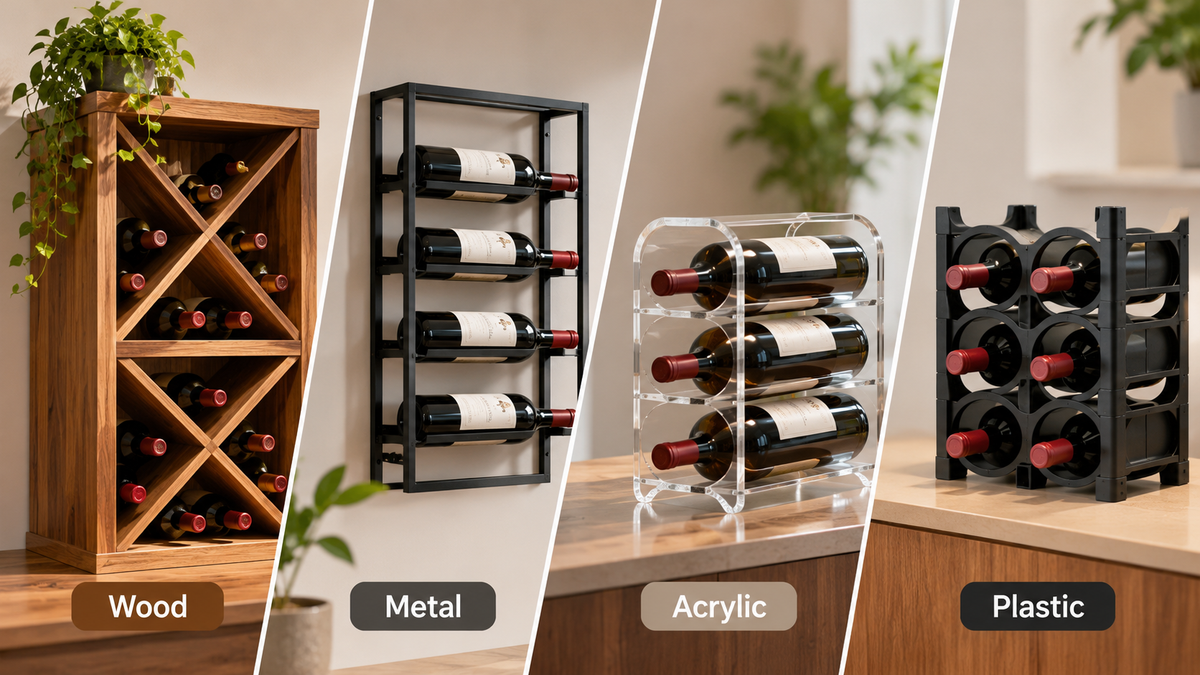
A dedicated wine rack can help organise bottles and keep them stored in a consistent position.
7. Frequently Asked Questions
1. Can you cork a wine bottle without a corking machine?
It is possible with certain traditional hand-corking tools, but a dedicated corker generally provides better compression and more consistent insertion. Avoid hammering corks directly into bottles.
2. Should wine corks be soaked before use?
Not necessarily. Many ready-to-use corks should be inserted without soaking. Always follow the cork manufacturer's preparation instructions.
3. How far should a cork go into a wine bottle?
The cork should generally sit flush with or slightly below the bottle lip. The exact insertion depth depends on the bottle and cork specifications.
4. How long should a wine bottle remain upright after corking?
For manual corking, at least 24 hours is a common recommendation before horizontal storage. Follow the closure and equipment manufacturer's guidance.
5. Why does a wine bottle cork leak?
Common reasons include incorrect cork sizing, poor insertion, damaged corks, insufficient headspace and excessive internal bottle pressure.
Conclusion
Learning how to cork a wine bottle correctly is important for maintaining wine quality and preventing leakage during storage. The process involves selecting the right cork, cleaning the bottle, filling it correctly, using a suitable corking machine and checking the final seal.
Whether you are bottling homemade wine or exploring traditional wine storage methods, proper corking techniques can make a significant difference.
Choosing suitable storage furniture, such as a well-designed wine rack, can also help keep your collection organised while enhancing your home bar or wine cellar.


Leave a comment
This site is protected by hCaptcha and the hCaptcha Privacy Policy and Terms of Service apply.