

Melbourne’s weatherboard cottages and classic terrace homes have a unique architectural charm. From traditional timber details and high ceilings to narrow floor plans and character-filled interiors, these homes offer an excellent setting for a stylish home bar. The challenge is finding furniture that complements the original character of the property while providing the practicality needed for modern entertaining.
The right home bar furniture can transform an unused corner, dining area, kitchen extension, or covered outdoor space into a welcoming destination. Whether you prefer a classic timber look, contemporary design, or an industrial-inspired aesthetic, choosing the right bar counter, wine rack, and bar stools can make all the difference.
Here are some home bar furniture ideas designed to work beautifully in Melbourne’s weatherboard and terrace homes.
1. Choose a Bar Counter That Complements the Architecture
A bar counter should feel like a natural part of your home's interior rather than an addition that looks out of place.
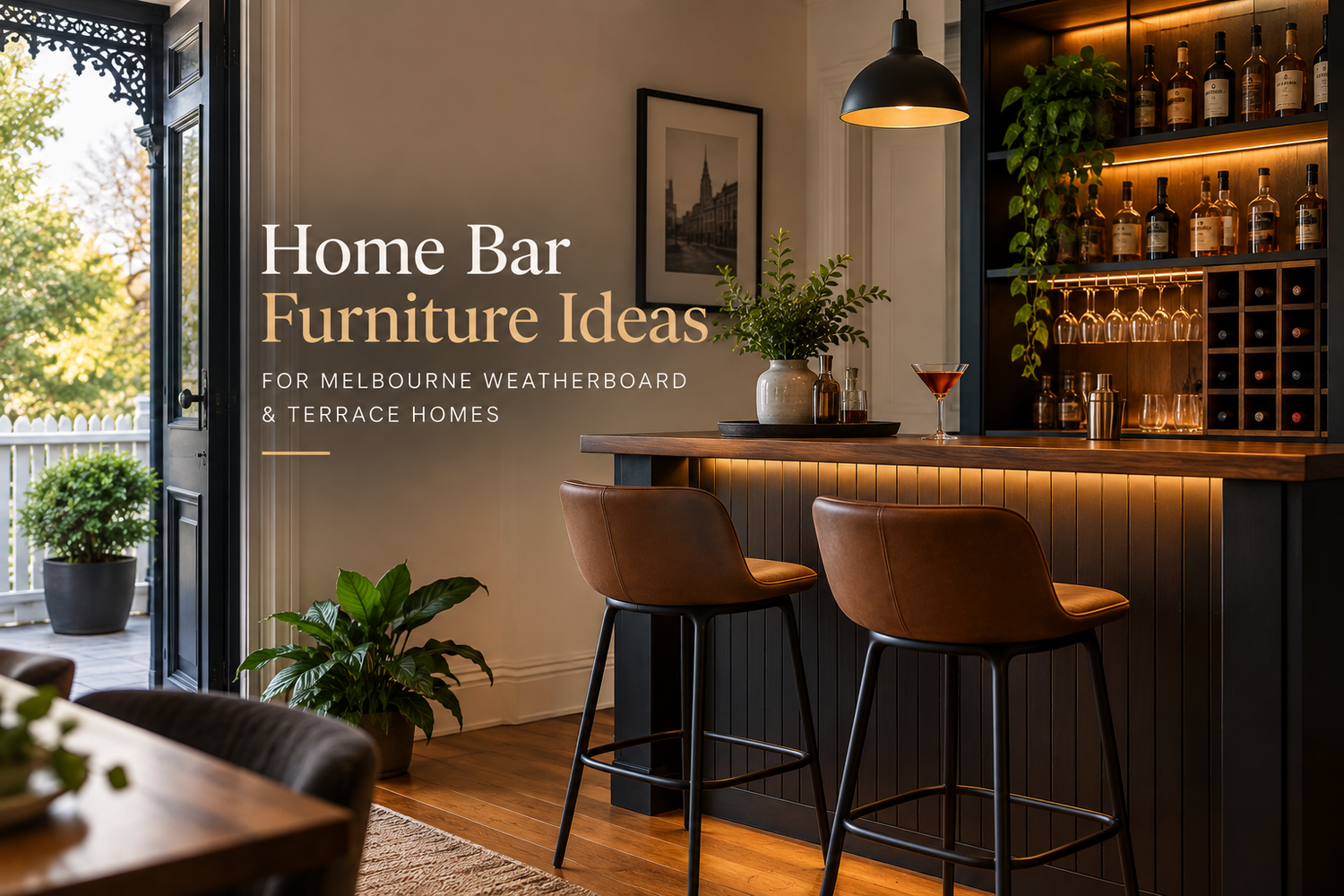
In a weatherboard home, timber is an obvious choice. A natural or lightly stained timber counter can complement existing timber floors, wall panelling, doors, or exposed beams. For terrace homes, consider a more refined counter with classic detailing that works alongside heritage-inspired features.
If your home has a contemporary renovation, you can create contrast by combining a traditional timber counter with modern metal or stone elements.
The size of your bar counter should also reflect the available space. A narrow counter against a wall may be ideal for a terrace home's compact layout, while a larger island-style counter can work in an open-plan weatherboard extension.
2. Use Bar Stools to Add Flexible Seating
Bar stools are one of the easiest ways to make a home bar more functional without using excessive floor space.
For traditional Melbourne homes, timber stools can complement weatherboard walls and heritage features. Upholstered stools can provide additional comfort and introduce colour or texture.
For a more contemporary appearance, consider metal-framed stools with simple silhouettes. Black finishes can provide contrast against light timber and white walls.
When selecting bar stools, pay attention to height. There should be enough space between the seat and the underside of the counter for comfortable seating. Swivel or adjustable designs can also be useful if different members of the household will use the bar.
Choose stools that can be tucked neatly beneath the counter when they're not being used to keep walkways clear.
3. Make a Wine Rack Part of the Furniture Design
A wine rack can be both practical storage and a decorative feature.
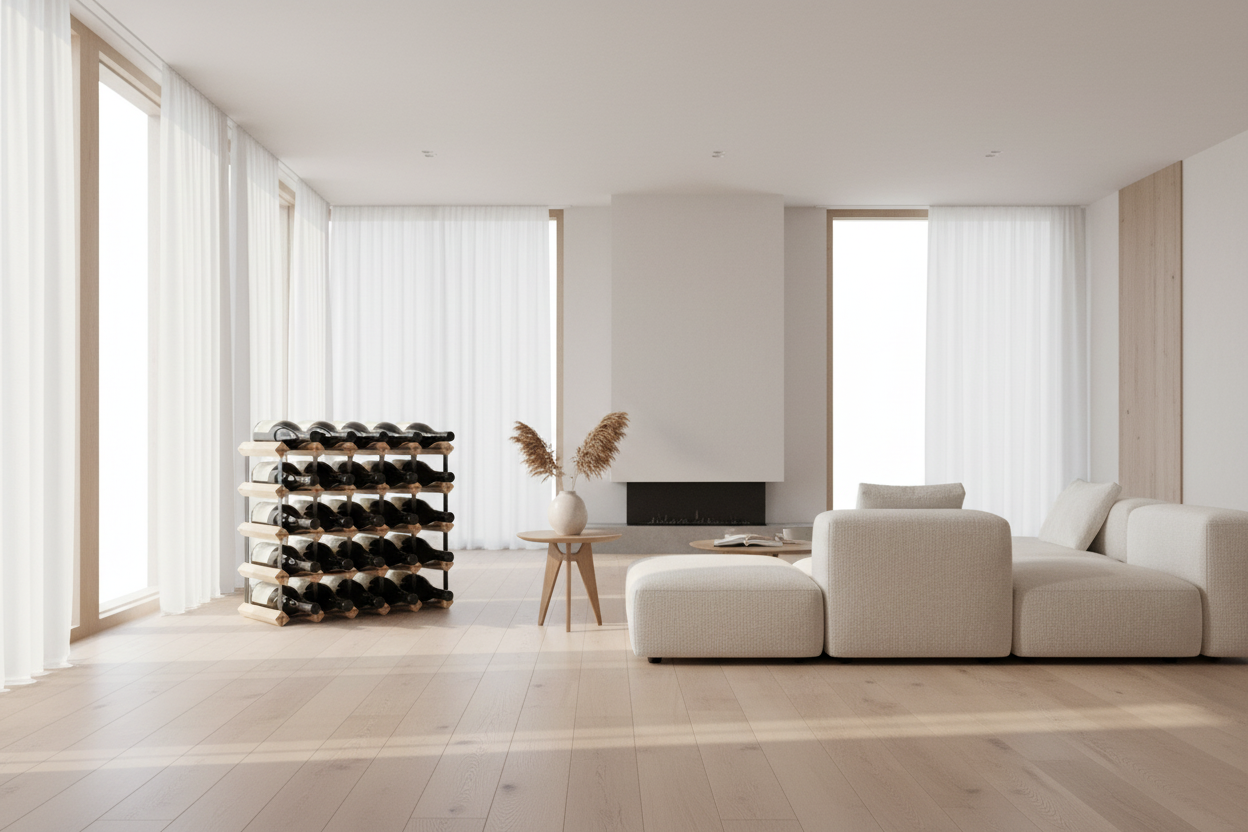
Instead of hiding your bottles inside a cupboard, consider incorporating a wine rack directly into your home bar furniture. A built-in rack beneath the counter can provide convenient access while keeping bottles organised.
For smaller terrace homes, wall-mounted wine racks are particularly useful because they make use of vertical space without occupying valuable floor area.
Timber wine racks can complement the character of a weatherboard home, while metal designs can introduce a contemporary industrial element.
If you enjoy entertaining, combine your wine rack with shelving for glasses, cocktail equipment, and serving accessories. This creates a dedicated drinks station while keeping everything within easy reach.
4. Consider Freestanding Bar Cabinets
Not every home needs a permanent built-in bar. Freestanding bar cabinets offer flexibility, especially if you're living in a heritage property where extensive alterations may not be desirable.
A compact cabinet can store bottles, glassware, cocktail equipment, and accessories behind closed doors. When entertaining, simply open the cabinet and use the nearby counter or table as a serving area.
Choose timber cabinetry for a traditional weatherboard interior or a darker finish for a more sophisticated terrace-home look.
The advantage of freestanding furniture is that you can reposition it as your home's layout changes.
5. Create a Bar in an Unused Alcove
Melbourne terrace homes often feature interesting architectural spaces that can be turned into functional storage.
An unused alcove, recess, or section beneath a staircase can become an excellent location for a compact home bar. Install a narrow bar counter, add shelving above it, and incorporate a small wine rack underneath.
If the area is particularly narrow, use floating shelves and a wall-mounted counter. Add two compact bar stools that can be moved elsewhere when required.
This approach allows you to create a dedicated bar without sacrificing an entire room.
6. Choose Furniture That Works With High Ceilings
Many traditional Melbourne homes have generous ceiling heights. Rather than leaving that vertical space unused, use tall furniture and shelving to create additional storage.
A tall bar cabinet can provide space for bottles and glassware, while vertical shelving can display decorative pieces and drinks accessories.
However, avoid filling every section of the wall. Leaving some negative space helps maintain a sense of openness, particularly in smaller terrace homes.
A combination of low bar furniture and strategically positioned wall shelving can provide storage while preserving the architectural character of the room.
7. Bring Warmth Into Weatherboard Interiors
Weatherboard homes naturally lend themselves to warm, inviting interiors.
Choose furniture made from timber, natural materials, leather, or textured upholstery. A timber bar counter paired with comfortable stools can create a relaxed entertaining space that feels consistent with the home's architecture.
You can also introduce woven baskets, indoor plants, ceramics, and warm lighting to soften the area.
For a more modern interpretation, combine natural timber with black metal hardware or contemporary stone surfaces. This allows the bar to feel updated without losing the character of the original property.
8. Think About Melbourne's Changing Weather
Melbourne's variable weather means furniture selection becomes particularly important if your home bar extends onto a verandah, courtyard, or outdoor entertaining area.
For covered outdoor spaces, choose furniture that can handle changes in temperature and humidity. Weather-resistant materials, durable finishes, and easy-to-clean surfaces can make maintenance easier.
A compact outdoor bar counter can work beautifully on a verandah, particularly when paired with durable bar stools. Add a protected wine storage solution if you plan to keep bottles outdoors, while more temperature-sensitive drinks should be stored inside.
For year-round use, consider furniture that can easily be moved indoors when necessary.
9. Mix Heritage and Contemporary Styles
One of the best ways to furnish a Melbourne period home is to combine old and new.
A traditional timber bar counter can be paired with contemporary bar stools. A classic timber cabinet can sit beside a modern metal wine rack. These combinations create visual interest without making the room feel like a museum.
The key is to repeat materials and finishes throughout the space. For example, if you choose black metal stools, introduce small black hardware details elsewhere in the bar area.
This creates cohesion while allowing individual furniture pieces to have their own personality.
10. Prioritise Smart Storage
A beautiful home bar should also be easy to keep organised.
Look for furniture that combines multiple storage functions. A bar cabinet with drawers, shelving, and bottle storage can reduce the need for several separate pieces.
Use your wine rack for bottles, shelving for glassware, and drawers for cocktail tools and smaller accessories. Keeping everything organised also makes entertaining much easier.
In compact terrace homes, multifunctional furniture is particularly valuable because every square metre matters.
Build a Home Bar That Fits Your Melbourne Home
Weatherboard and terrace homes provide a beautiful backdrop for a stylish home bar, but the furniture needs to respect both the architecture and the available space.
Start with a bar counter that complements your home's existing materials. Add comfortable, appropriately sized bar stools, then introduce a wine rack or bar cabinet for practical storage. From there, incorporate timber, warm lighting, artwork, plants, and carefully selected accessories to create a cohesive look.
Whether you're working with a narrow terrace layout, a spacious weatherboard extension, or a covered outdoor entertaining area, thoughtful furniture choices can turn an unused space into a functional and inviting home bar.
The best designs combine Melbourne's traditional architectural character with modern practicality—creating a home bar that feels like it has always belonged there.

Leave a comment
This site is protected by hCaptcha and the hCaptcha Privacy Policy and Terms of Service apply.